
 Kathrine Frich
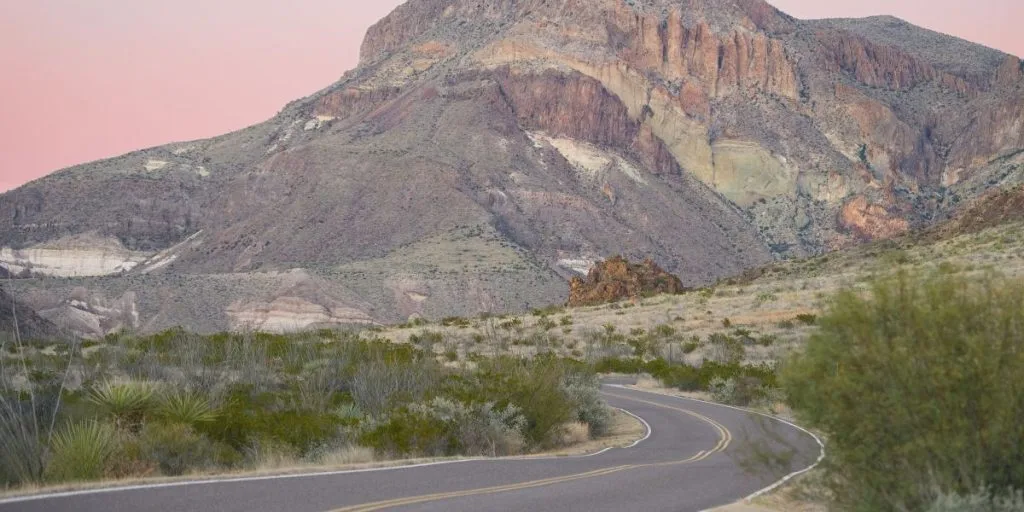
Big Bend serves as a crucial habitat for mountain lions, ringtails, and desert bighorn sheep.


National borders running through protected lands require a delicate touch.
But heavy machinery rolling into a famous desert has just united bitter political rivals in pure frustration.
Tearing up the desert
Bulldozers recently arrived in the remote expanses of Big Bend National Park. The federal government is officially moving forward with a massive border security project in west Texas.
This construction push comes with a heavy price tag. The plan involves steel vehicle barriers, fresh access roads, and high-tech surveillance equipment.


According to Bloomberg cited by LAtimes, Homeland Security Secretary Markwayne Mullin wiped away all environmental regulations for the area in June. That sweeping waiver cleared the path for immediate construction.
Unlikely political allies
The decision has sparked a rare moment of political agreement. Local Republicans and environmental activists both argue that the rugged cliffs already act as a natural wall.
Retiring Republican Senator John Cornyn recently wrote to Mullin with serious concerns. The lawmaker noted that locals firmly believe the steep terrain provides plenty of natural deterrence against illegal crossings.
The statistics back up their claims. Since October, agents have made just over 1,500 arrests there. That tiny figure accounts for roughly one percent of all border apprehensions.
Protecting a legacy
Federal officials insist the upgrades are absolutely necessary for public safety. They point to the ongoing threat of cartel violence spilling into the park.
Customs and Border Protection Commissioner Rodney Scott defended the aggressive work in a recent email. He stated that the agency is installing vital detection technology in strategic spots across the region.
“We are securing this park to protect its legacy, keeping it safe, secure, and pristine so American families can enjoy the beauty of our country, free from fear of cartel activity,” Scott said, according to Bloomberg.
Fears for the future
Opponents worry the heavy equipment will permanently scar the delicate desert ecosystem. Big Bend serves as a crucial habitat for mountain lions, ringtails, and desert bighorn sheep.
Laiken Jordahl advocates for public lands with the Center for Biological Diversity. He noted that furious activists have watched machines violently tear through native vegetation while clearing paths.
Local businesses fear the project will destroy their economy. The region relies heavily on outdoor tourism.
In the nearby gateway town of Terlingua, restaurant workers have started wearing shirts that say no to the wall. They want to keep their desert pristine.
Sources: Bloomberg



