
 Lauge Risom Koch
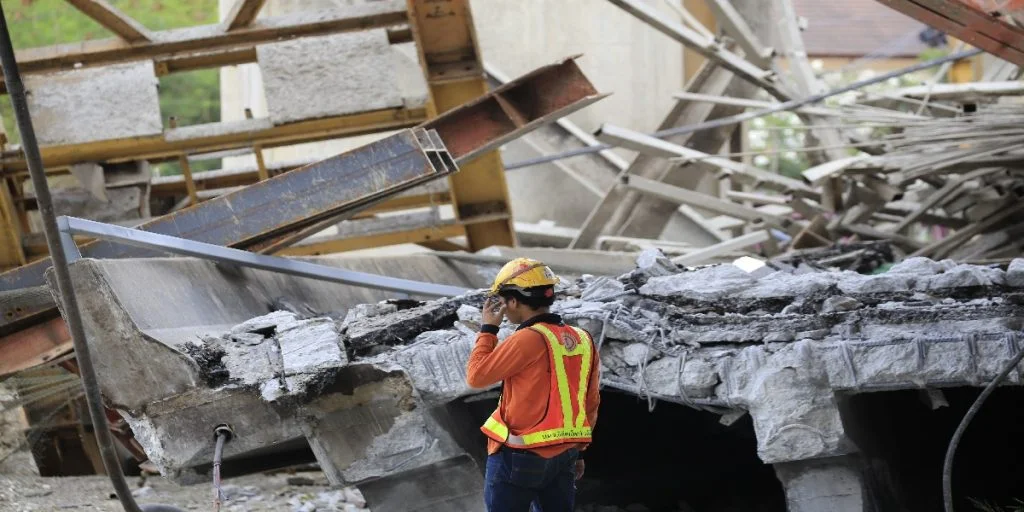
Colombia and Venezuela demonstrated contrasting disaster responses following two recent earthquakes, highlighting the impact of political institutions on recovery efforts.


South America recently experienced two earthquakes within a two-month span. The disaster responses in Colombia and Venezuela revealed differences in government capability. Experts note that these contrasting reactions highlight the impact of political institutions.
Swift mobilization in Colombia
In Colombia, President Abelardo de la Espriella faced an emergency days after his inauguration. He established a command post within an hour to oversee the rescue operations. According to the Associated Press, the government deployed excavators and cranes immediately to search for survivors.
The response proceeded smoothly despite a transition of power from the previous government. Officials declined most foreign crews because they determined local personnel were sufficient. However, as the Associated Press reports, this decision drew criticism from diplomats seeking to coordinate assistance.
Recovery efforts face challenges due to the terrain and communication outages. The government currently reports a death toll of at least 265 people. Meanwhile, a database estimates that thousands of individuals remain missing across the affected regions.


Systemic delays in Venezuela
The situation unfolded differently following the June earthquakes in neighboring Venezuela. Acting President Delcy Rodríguez waited hours before addressing the nation regarding the disaster. A report from the Associated Press highlights that she relied on foreign rescuers to fill gaps in the response.
Civilians in Venezuela spent weeks searching through the rubble by hand without equipment. The destruction impacted housing complexes built during the oil boom. Internal divisions within the ruling party further complicated the dissemination of damage reports.
The handling of casualty figures has fueled distrust among the Venezuelan population. The government updates its death toll weekly and avoids providing estimates for missing persons. As noted by the Associated Press, an opposition database lists thousands of individuals as unaccounted for weeks later.
Institutions dictate survival chances
Analysts attribute these differences to the varying strengths of each country’s system. Colombia benefits from established protocols and resources that function regardless of the leader. Conversely, the Associated Press indicates that years of economic decline have hollowed out Venezuela’s infrastructure.
Media access also played a role in how citizens experienced each crisis. Colombians received updates from officials regarding casualties and rescue operations. Venezuelans struggled to access safety information due to state censorship of news outlets.
These institutional contrasts ultimately affect the families waiting for news of their relatives. One Venezuelan man living abroad watched responders deploy machinery to find his trapped relatives in Colombia. Despite the prepared response, rescuers ultimately recovered their bodies after the survival window closed.



