
 Kenneth Glad
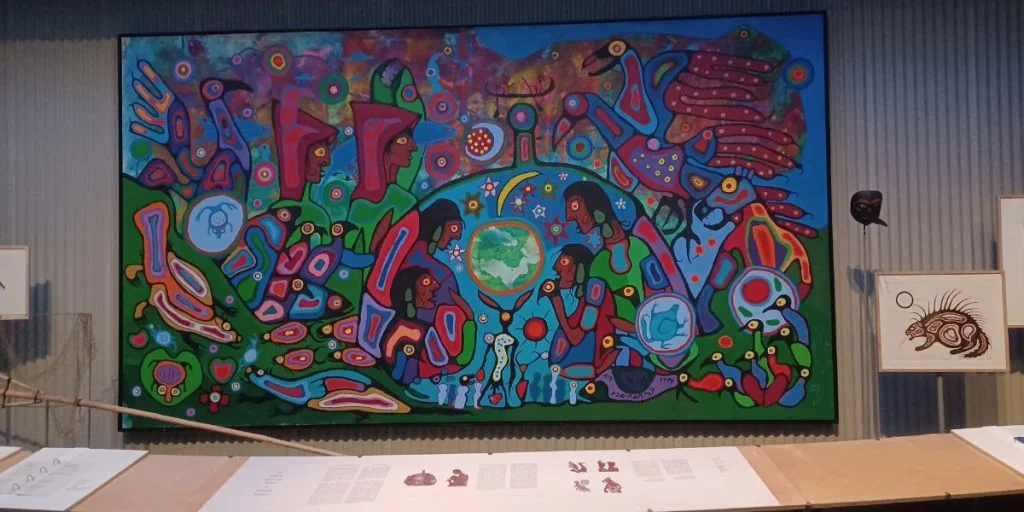
Decades of records are being checked as officials work to clarify the status of a major public art collection. The review has already resolved several discrepancies, but questions remain over how earlier holdings were documented.
Canada’s Indigenous Art Centre has reduced the number of artworks it cannot account for since a federal audit, although the locations of 111 works still cannot be verified, according to The Art Newspaper and Canadian Press.
The 2024 audit originally identified 132 unresolved entries. Six artworks have since been located in storage and 11 were determined to be duplicate database records. Four further entries have been flagged as possible duplicates and are reflected in the latest total of 111.
Established in 1965 to support, promote and preserve contemporary Indigenous art, the centre holds more than 5,000 works by over 990 First Nations, Métis and Inuit artists. According to the centre, acquisitions have been made through a peer-juried process. The collection is valued at about C$14.4 million (US$10.4 million).
Its holdings include works by Norval Morrisseau, Christi Belcourt, Kent Monkman and Lawrence Paul Yuxweluptun. Morrisseau’s 1983 painting Androgyny is part of the Love Medicine exhibition at the Mackenzie Art Gallery in Regina, Saskatchewan.


Officials review decades of documentation
Maryéva Métellus, a spokesperson for Crown-Indigenous Relations and Northern Affairs Canada, told The Art Newspaper that determining an artwork’s status can require comparisons across historical inventories, loan documents, exhibition files, storage records and different collection databases.
She said the “unaccounted for” classification does not establish that an artwork has been stolen or permanently lost. Twenty of the remaining entries concern reproductions, and no criminal investigation is underway.
The department has also acknowledged that previous management of the collection did not meet expected standards. According to The Art Newspaper, changes to acquisition, care and exhibition practices had begun before the audit was published and remain underway.
Yuxweluptun, a Cowichan and Okanagan artist whose work entered the federal collection decades ago, criticised the situation. “This is just another example of government incompetence… We expect that they’re going to look after the art,” he told The Art Newspaper.
Cory Dingle, executive director of the estate of Anishinaabe artist Norval Morrisseau, instead focused on the need for cultural institutions to receive sufficient resources to protect art and heritage.
Sources: The Art Newspaper, Canadian Press



