
 Asger Risom
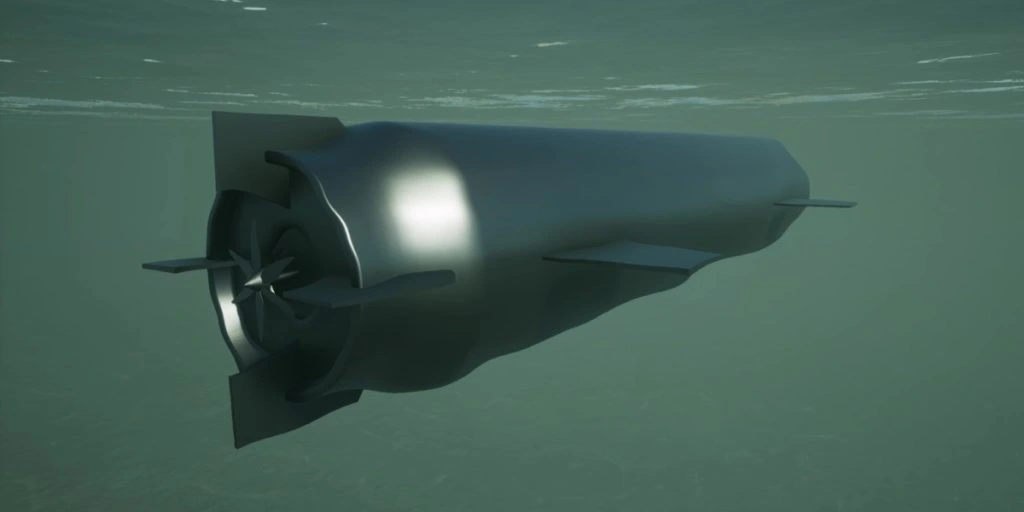
Taiwan is deploying a network of autonomous, AI-powered underwater drones to deter Chinese naval forces, raising fears of skyrocketing maritime insurance and global supply chain disruptions.


Taiwan is officially turning its coastal waters into a high-tech fortress to defend against growing Chinese aggression. Seeking to deter massive naval incursions, Taipei is aggressively investing in networks of autonomous, AI-powered underwater drones. According to a report by IN Defence, Taiwan’s defense developers have partnered with US-based Vatn Systems to build these deep-sea robotic fleets using the S12 platform.
The primary goal is to create a distributed, “smart” defense grid that can operate completely underwater without a persistent human connection. By leveraging advanced artificial intelligence, these undersea vehicles can independently navigate, monitor, and potentially disrupt advancing military ships. As confirmed by Baird Maritime, the government has just proposed a record-breaking $31 billion defense budget to specifically fund these advanced unmanned systems.
However, deploying autonomous robots in one of the world’s most congested waterways is triggering massive financial anxiety. The Taiwan Strait is a critical global trade route, and shipping companies are terrified that an AI malfunction could accidentally strike a commercial freighter. This sudden introduction of autonomous undersea defense is already threatening to send maritime insurance rates skyrocketing.
The porcupine strategy goes underwater
For years, Taiwan has focused on a “porcupine defense” designed to make a Chinese invasion unimaginably painful and costly. Instead of relying solely on expensive, heavily manned warships, the island is drastically shifting its strategy toward cheaper, mass-produced drones. A recent Jerusalem Post investigation highlights that Taiwan is investing billions to build thousands of these lethal, uncrewed surface and subsurface vessels.


Autonomous underwater vehicles represent a terrifyingly complicated and unpredictable leap in modern naval warfare. Because standard radio signals do not work deep underwater, these drones must rely heavily on onboard AI to make their own operational decisions. If they lose contact with human operators, the software must autonomously decide exactly how to react to approaching submarines or surface ships.
This lack of direct human oversight is exactly what makes the new undersea fleet so incredibly intimidating to Beijing. The Chinese navy now has to account for a hidden, unpredictable web of robotic sensors and potential explosives lurking beneath the waves. It completely scrambles traditional invasion planning by adding a thick layer of invisible, autonomous threats that are incredibly difficult to sweep.
The coming supply chain shock
While military strategists highly praise the drone network, the global shipping industry is preparing for a massive financial nightmare. Commercial freight carriers rely heavily on the shallow, crowded waters of the Taiwan Strait to deliver everyday manufactured goods to the West. If shipping underwriters decide the strait is simply too risky to navigate, they will drastically increase the price of maritime insurance.
We have already seen how quickly naval conflicts can cripple global supply chains and drive up basic consumer prices. If cargo ships are forced to take longer, more expensive detours to avoid Taiwan’s autonomous defense grid, everyday shipping costs will completely explode. Ultimately, this means that regular consumers around the world will end up paying noticeably more for basic electronics and household items.
This precarious situation highlights the incredibly dangerous overlap between modern military technology and fragile global trade routes. Taiwan absolutely must defend its sovereignty, but placing autonomous, decision-making robots into a massive commercial shipping lane is a massive financial gamble. Until the international community figures out how to safely regulate AI warfare, the global economy remains at the total mercy of a potential software glitch.



