
 Asger Risom
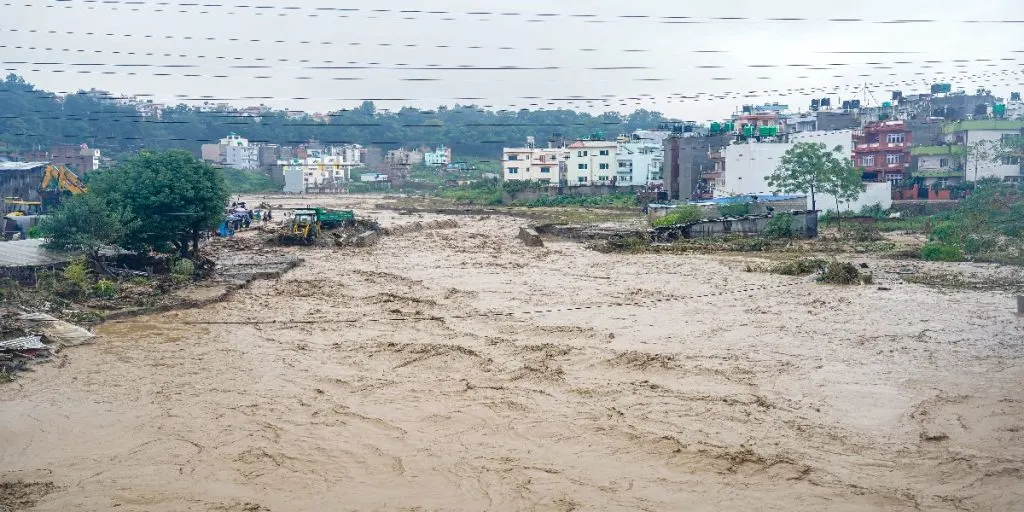
Catastrophic flash floods along the Nepal-Tibet border have killed hundreds and left many more missing, exposing the increasing dangers of glacial melting in the Himalayas.


A catastrophic flash flood has swept through the mountainous border between Nepal and Tibet, leaving widespread devastation in its wake. Rescue workers have already recovered 332 bodies as they navigate the treacherous, mud-soaked terrain, according to live reporting from The Guardian. The surging floodwaters completely wiped out remote villages, severely damaging local infrastructure and isolating thousands of survivors.
The situation on the ground remains dire as emergency responders frantically search for hundreds of people who are still unaccounted for. Early reports from AP News confirm that the massive deluge swept directly through border towns, carrying massive amounts of structural debris. Thick mud and damaged mountain roads are actively preventing heavy rescue equipment from reaching the hardest-hit communities.
International humanitarian organizations are now rushing to coordinate emergency airdrops of food, clean water, and medical supplies. Surviving residents have been forced to abandon their destroyed homes and seek shelter on higher ground while awaiting assistance. Local hospitals are currently completely overwhelmed with the influx of injured residents requiring immediate trauma care.
The growing climate threat in the mountains
This devastating event highlights the severe and immediate dangers that climate change poses to high-altitude regions. Rising global temperatures are causing Himalayan glaciers to melt at unprecedented rates, creating unstable glacial lakes that can burst without warning. When these natural dams fail, millions of gallons of water instantly crash down into the populated valleys below.


Geologists have spent years warning governments about the increasing frequency of these catastrophic glacial lake outburst floods. The steep terrain of the Himalayas acts like a funnel, accelerating the water and turning it into a highly destructive wall of mud and rock. Without advanced early warning systems, downstream communities have almost no time to evacuate before the surge hits.
For countries like Nepal that depend heavily on mountain communities, this shifting climate represents an existential economic threat. The government must figure out how to safely monitor these remote glacial zones and protect vital infrastructure from sudden destruction. Unfortunately, building resilient structures in such extreme geographic conditions remains incredibly difficult and prohibitively expensive.
The difficult path to recovery
As the immediate search and rescue phase slowly winds down, the region faces a massive, multi-year recovery effort. The floods have completely erased critical transport routes, meaning rebuilding supplies will have to be airlifted into the mountains at great expense. The loss of local agricultural land will also trigger long-term food security issues for the surviving population.
Neighboring countries and international allies will need to step up with significant financial aid to help fund the reconstruction. Nepal simply does not have the domestic resources to rebuild entire mountain communities from the ground up while simultaneously managing the ongoing humanitarian crisis. Global coordination is absolutely essential to prevent the death toll from climbing due to exposure and waterborne diseases.
Ultimately, this tragedy serves as a brutal reminder that extreme weather events are becoming the new normal for vulnerable regions. As rescue workers continue pulling bodies from the mud, the priority must shift toward aggressive climate adaptation. The international community must acknowledge that preparing for these disasters is no longer optional for nations sitting in the shadow of the Himalayas.



