
 Jens Asbjørn Bøgen
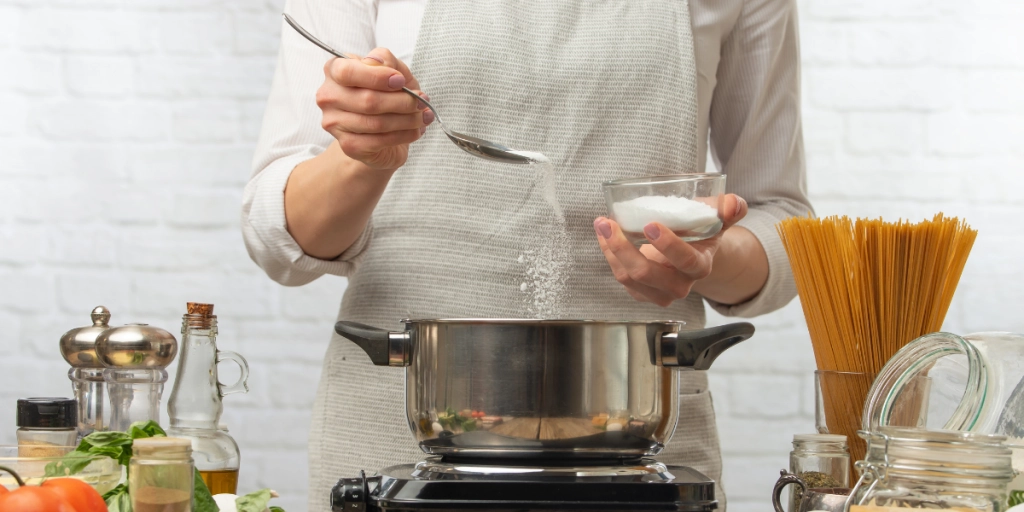
You don’t have to throw it in the bin, just because you have been a little too generous with the salt shaker.

Cooking at home should be a comforting ritual, but one tiny slip in the kitchen can instantly ruin a dinner.
Long before a dish hits the dining table, a single heavy-handed moment over the stove can turn a masterpiece into an unpalatable disaster.
Fortunately, a ruined meal does not always mean throwing away your hard work and ordering expensive takeaway.
Five possible fixes
A heavy hand with the salt shaker happens to even the most experienced home cooks. According to culinary guidance published by MasterClass, adding a quick splash of acid like fresh lemon juice, lime juice, or apple cider vinegar can instantly soften that harsh bite.


According to the experts, dairy products offer another reliable escape route for panicked cooks. Heavy cream, whole milk, or even plant-based alternatives like coconut milk contain natural sugars and fats that coat the tongue and cut down intense saltiness.
Rich condiments can save the day. Swirl sour cream, ricotta, or sliced avocado into an overly seasoned casserole. According to MasterClass, this option will help dilute the saltiness by spreading the flavor more evenly.
For simmering soups and hearty stews, tossing in raw diced potato cubes works pure magic. They absorb both excess seasoning and extra liquid.
A little sweetness goes a long way. Adding a pinch of sugar or a subtle drizzle of maple syrup can restore a ruined dish by smoothing out those sharp, unpleasant edges.
Three tips to avoid oversalting in the first place
The best way to fix oversalted food is to not do it in the first place.
In order to make sure you do not become too generous with the salt shaker, MasterClass suggests reading the ingredient list very carefully in the first place — and following it!
Using standard soy sauce or salted butter when a recipe explicitly requests low-sodium versions will easily double your salt levels without you realizing it.
Additionally, measuring matters much more than cooking confidence. Freehand shaking straight from a salt cellar often leads to accidental over-seasoning, so using proper measuring spoons is essential for consistent results.
Different types of salt also carry wildly different properties. Fine table salt, coarse sea salt, and kosher salt are not directly interchangeable in recipes, meaning accurate conversion is critical for keeping every single meal perfectly balanced.
There are a number of other tips and tricks on how to save an oversalted dinner, so what is your go-to option?



