
 Kenneth Glad
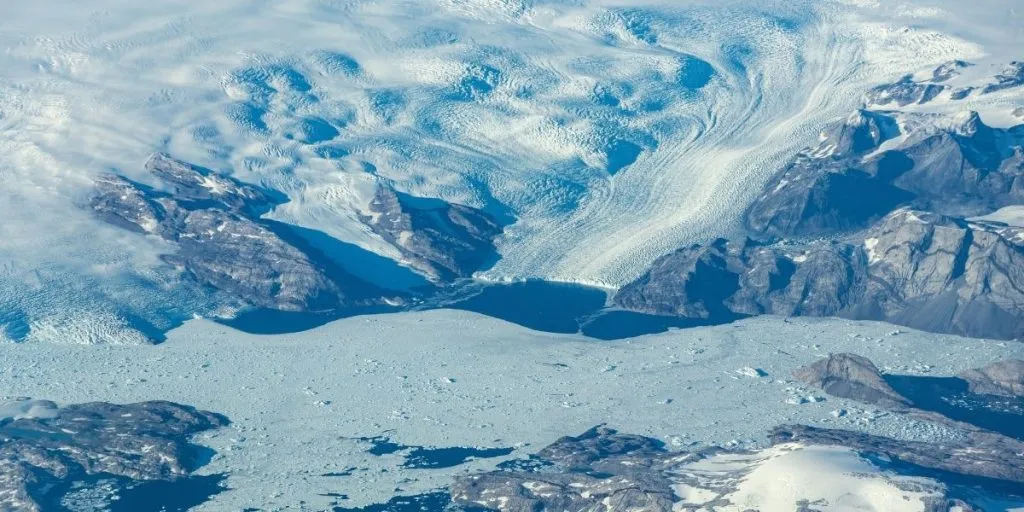
Fresh measurements are adding to a decades-long record of change across the Arctic. Scientists are watching what the pattern could mean for oceans and coastlines worldwide.


Greenland’s ice sheet lost about 173 billion metric tons during the latest September-to-August melt year, according to GEUS, the Geological Survey of Denmark and Greenland.
The annual figure is far below the approximately 458 billion metric tons lost in 2012. But researchers say the more significant development is the uninterrupted record behind it: Greenland has now experienced 30 consecutive years in which the ice sheet lost more mass than it gained.
The last melt year to end with an overall increase was 1995-1996, DR reports, citing GEUS data.
That 30-year span carries particular weight in climate science. Researchers commonly use three-decade reference periods to characterize climate conditions and separate longer-term patterns from shorter fluctuations in weather.


The long decline continues
Signe Hillerup Larsen, a researcher in glaciology and climate at GEUS, discussed the findings in an interview with DR’s P1 Morgen.
She said the continuing sequence provides evidence of persistent negative mass balance. Larsen added that even a single year in which the ice sheet gains more mass than it loses now appears unlikely.
The Greenland ice sheet covers around 80 percent of the island and contains enormous reserves of freshwater.
Its annual mass balance can still change considerably from one year to the next. Winter snowfall adds mass, while warmer conditions during the summer can increase melting. Those variations help explain why one year may produce substantially greater losses than another without altering the direction of the longer record.
The relatively smaller loss recorded this year therefore does not indicate that the overall decline has ended, Larsen said.
Warming can accelerate ice movement
Surface melting is only one part of the process researchers are monitoring.
According to Larsen, warmer and thinner ice can allow more meltwater to penetrate toward the bottom of the ice sheet. Water reaching the base can help sections of ice move more rapidly toward the ocean.
That can result in additional ice breaking away from glaciers and entering the sea.
The process matters because Greenland holds enough freshwater for its losses to have consequences well outside the Arctic.
Over the past 30 years, melting from the Greenland ice sheet has contributed about 1.5 centimeters to global sea-level rise, according to Larsen.
Freshwater adds another concern
Rising seas are not the only reason researchers follow Greenland closely.
Larsen said scientists are also concerned about whether increasing volumes of freshwater entering the ocean could influence major global ocean currents.
GEUS is continuing to monitor the ice sheet to improve estimates of how much future melting could add to sea levels.
The amount lost will still vary from year to year as snowfall and summer temperatures change. But Greenland has not recorded a net annual gain since the mid-1990s.
Sources: DR, GEUS



