
 Kenneth Glad
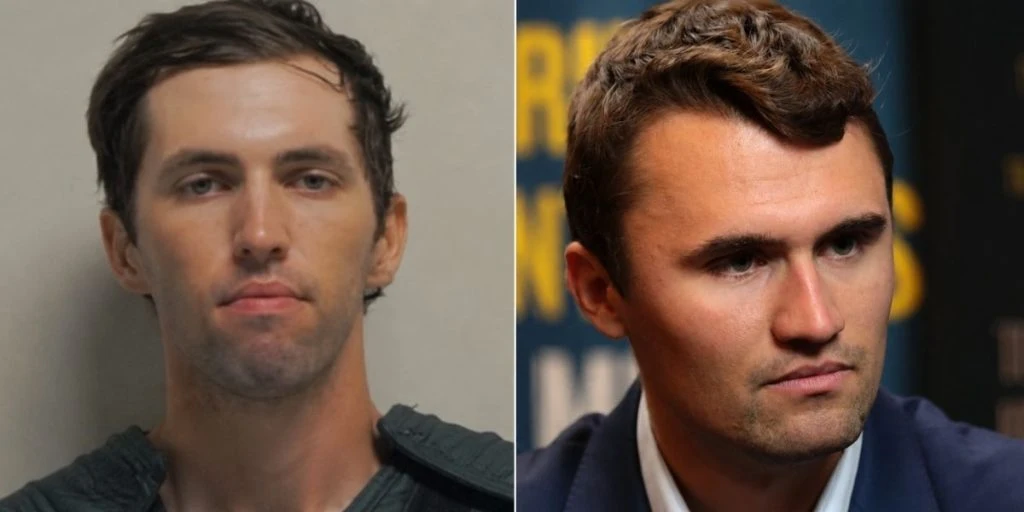
The court is considering whether prosecutors have presented enough evidence for the case to move toward trial. The ruling will also affect whether the state can continue pursuing capital punishment.


A year after conservative activist Charlie Kirk was fatally shot during a campus event, the criminal case against the man accused of killing him is approaching a key procedural decision.
Tyler Robinson, 23, is charged with aggravated murder in connection with Kirk’s death at Utah Valley University on September 10, 2025. Prosecutors allege he fired the shot that killed Kirk during an event attended by students and other members of the public. Robinson has not entered a plea.
State District Judge Tony Graf must now determine whether prosecutors have presented enough evidence to establish probable cause and move the aggravated murder charge toward trial. According to The Associated Press, Graf could allow that charge to proceed, reduce the case to a murder charge or dismiss it.
The decision comes at a preliminary stage of the prosecution and is not a finding that Robinson is guilty. It also does not determine what sentence he would receive. Instead, the hearing is intended to establish whether the evidence is sufficient for the case, and potentially the aggravated murder charge carrying possible capital punishment, to advance through the Utah court system.


Defense contests aggravated murder charge
Prosecutors are seeking the death penalty if Robinson is ultimately convicted of aggravated murder, making the classification of the charge one of the most consequential issues before the court. Their aggravated murder theory partly depends on the claim that the shooting endangered other people who were attending the university event when Kirk was killed.
The Guardian repors that Robinson’s attorneys reject that argument. They maintain that the gunman targeted Kirk specifically and that the shot did not put anyone else in danger, a distinction the defense says matters when determining whether the case qualifies for the more serious charge carrying the possibility of capital punishment.
The prosecution has also focused on a possible motive. According to the British newspaper, prosecutors have alleged that Kirk’s political positions may have played a role in the attack and have pointed to evidence they say could help explain why he was targeted.
Robinson’s lawyers dispute that interpretation as well. They argue that the available evidence does not establish that Robinson opposed Kirk’s political views or that ideological disagreement was behind the killing, leaving motive as another contested element as the judge considers whether the prosecution has met the threshold required for the case to proceed.
DNA and video evidence challenged
Previous proceedings examined several strands of evidence presented by prosecutors, including DNA testing, video footage and a recorded statement from Lance Twiggs, Robinson’s former roommate and romantic partner. Each has become part of the broader dispute over how strongly the evidence connects Robinson to the killing.
The Guardian writes that prosecutors introduced forensic evidence they say links Robinson to the rifle allegedly used in the shooting. They also showed footage they say depicts Robinson entering the university campus and later climbing onto a rooftop, which prosecutors have presented as part of their reconstruction of events.
Defense lawyers challenged the DNA testing, questioning whether the forensic results were reliable enough to support the prosecution’s case.
They also objected to parts of Twiggs’s recorded statement being made public, warning that widespread coverage could prejudice potential jurors. Graf allowed a redacted portion of the recording to be played in court.
Addressing the competing concerns over openness and Robinson’s legal rights, Graf said: “I recognize the importance of transparency. I also recognize the importance of balancing constitutional rights and it is a fine line.”
Sources: The Associated Press, The Guardian



