
 Kenneth Glad
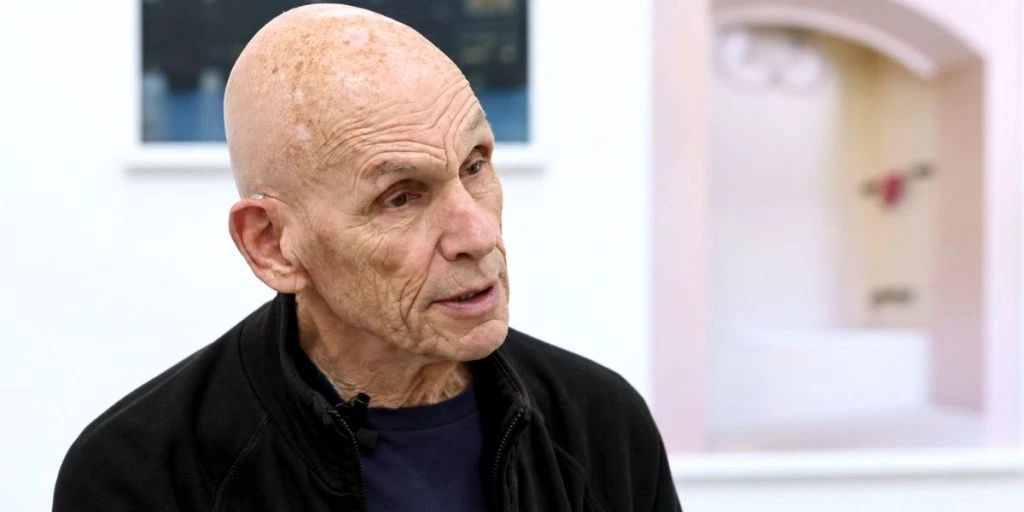
When a major tragedy strikes, most people look for ways to help. Some donate blood, while others volunteer to pack meals. For one legendary photographer, the answer was simple: He grabbed his camera and headed straight toward the ruins.
Joel Meyerowitz was on Cape Cod when planes struck the World Trade Center on September 11, 2001. Once travel restrictions lifted, he returned to New York City. City officials had banned photography at the site. That decision only made the photographer more determined to capture what was happening inside Ground Zero.
Meyerowitz spent nine months documenting the vast cleanup efforts. He needed to forge credentials, borrow a police hardhat, and lean on sympathetic officers to stay on site. City leaders later backed his work. Former Secretary of State Colin Powell even helped turn the collection into an international exhibition.
“I thought, ‘Oh, my city was just attacked.’ I mean, what could I do to help?” Meyerowitz told The Art Newspaper. He added that he could not give blood or make sandwiches. “I had something else to give and I couldn’t figure out what it was. I knew I had to be inside,” he recalled.
Looking for truth
The photographer spent endless hours watching rescue crews work in terrible conditions. First responders sifted through mountains of rubble to identify victims. They searched for small items like wallets, teeth, or belt buckles. Meyerowitz saw this tireless search as a deep reflection of American values.


He photographed workers hauling metal and recovering remains. He also captured messages scrawled on dusty shop windows. The project grew into a massive archive titled Aftermath. Over the years, the exhibition has traveled to more than 200 cities across 60 countries.
“The devotion of all those men and women… on their hands and knees, scraping through every layer of rubble, looking to find anything that would yield some DNA and give somebody an identity,” Meyerowitz said.
Paying the price
Working at Ground Zero came at a steep personal cost. Exposure to toxic dust left Meyerowitz with long-term breathing problems. Many first responders he befriended at the site have since passed away.
Now 88 years old, Meyerowitz is marking the 25th anniversary of the tragedy. A Florida museum is currently exhibiting 28 of his original prints. The display aims to teach younger generations about the loss and courage of that day.
Despite his health issues, the artist holds no regrets. “It was a calling,” he told The Art Newspaper. “I don’t regret a minute of it. It was actually some of the most profound human experiences I’ve ever had.”
Sources: The Art Newspaper, Joel Meyerowitz – Aftermath



