
 Christine Drews Sieger
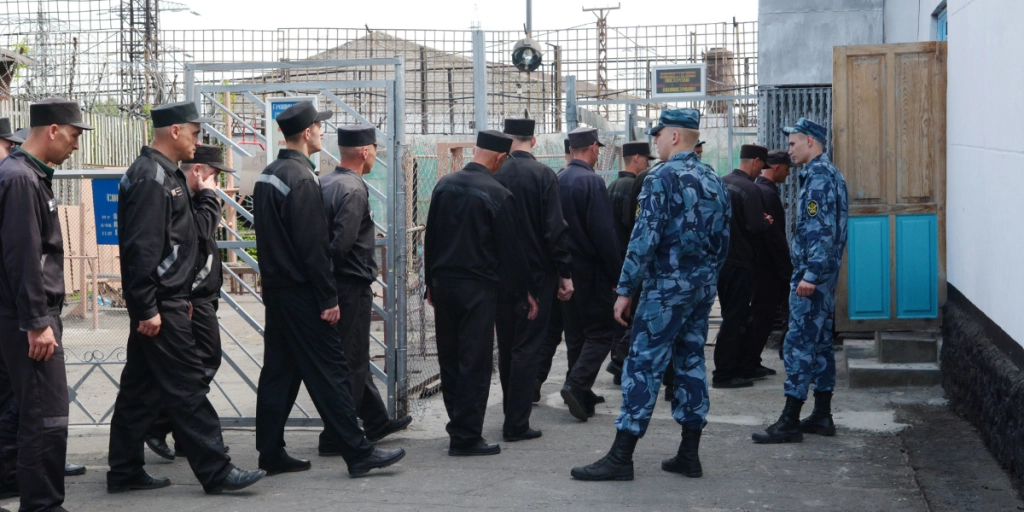
Russia plans to deploy teenage cadets into its penal system to fight a severe workforce deficit.


Russia plans to put teenage cadets to work inside its penal system to combat a worsening workforce crisis.
The Moscow Times reported that the Federal Penitentiary Service lacks more than 70,000 employees, leaving over 30 percent of official positions empty, according to UNITED24 Media.
Draft regulations published by the agency show that departmental schools will alter their vocational programs to prepare young students for immediate duty.
Recent rule changes allow teenagers to enroll in these secondary vocational academies at just 15 years old.


Trainees are set to gain field experience across the full spectrum of Russia’s confinement network, ranging from high-security prisons to remand facilities.
They will complete their final practical training at the exact facilities where they signed employment contracts.
Vanishing cellblock staff
This severe manpower shortage strikes during a massive shift across Russian correctional facilities.
Mass military recruitment drives emptied cellblocks nationwide over the last two years.
This has thinned inmate numbers to unprecedented levels. Russia’s total incarcerated population now stands below 300,000—a sharp decline from the nearly 466,000 recorded before the war began.
Yet, fewer prisoners have not solved the underlying staffing collapse, UNITED24 Media reports.
Official statistics highlight the scale of the collapse: with over 30.5% of posts currently unmanned, the agency is short more than 71,000 officers out of an authorized 234,100-strong workforce. For context, open vacancies stood at 54,000 in late 2024.
Dropping training standards
Human rights experts warn that pushing teenagers into active correctional roles will damage educational quality and lower professional standards.
Anna Karetnikova, who previously monitored penal conditions for the state, warned that departmental academies already produced poorly prepared graduates.
Lowering the entry age will only accelerate that decline.
“Now there is a risk that a very poor education will start not at the university level, but already after the 9th grade,” Karetnikova cautioned, according to UNITED24 Media.
The deployment of minors could create dangerous operational security risks inside high-security facilities over the coming years.
A Wider Manpower Crisis
The crisis inside Russia’s prison system reflects a much broader struggle for workers across the country.
According to Foreign Policy, Moscow’s efforts to fill labor shortages increasingly risk sacrificing long-term education and professional training in favor of immediate manpower needs.
Moscow’s efforts to fill labor shortages increasingly risk sacrificing long-term education for immediate manpower needs.
As the military intensifies competition for personnel, civilian industries and state institutions are left struggling to fill critical vacancies.
The move to prepare teenagers for work inside the penal system therefore highlights how Russia’s manpower crisis is now reaching far beyond the battlefield — forcing authorities to search for new workers in increasingly younger parts of society.



