
 Asger Risom
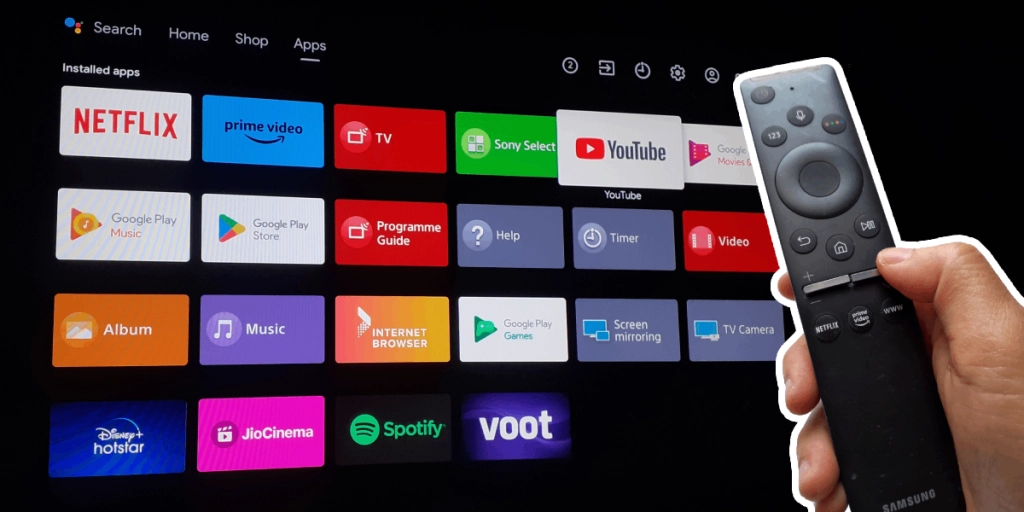
After spending a decade promising to kill the bloated cable package, streaming giants are actively teaming up to build massive, inescapable super-bundles to prevent subscribers from canceling.


We spent an entire decade gleefully cutting the cord, convinced that the era of paying for a bloated, impenetrable package of television channels was over. The promise of the streaming revolution was simple: you only pay for exactly what you want to watch. Now, that entire utopian vision has officially collapsed. Desperate to stop users from constantly canceling their subscriptions, the major platforms have completely thrown in the towel and aggressively pivoted back to the exact same business model they originally swore to destroy.
Look at the latest offerings from the biggest players in the entertainment industry. Rather than fighting for your standalone fifteen dollars a month, bitter rivals are actively teaming up to build massive, inescapable super-bundles. Disney and Warner Bros. Discovery recently joined forces to offer a unified Disney+, Hulu, and Max bundle for $19.99 a month, while Comcast expanded its Xfinity StreamSaver program into a sprawling digital storefront where you can combine Peacock, Netflix, and Apple TV+ into one giant monthly bill. We spent billions of dollars disrupting television just to invent Comcast all over again.
The psychology of the super-bundle
The underlying math here is entirely driven by panic. The industry completely saturated the market years ago, meaning there are no new domestic subscribers left to easily acquire. Instead, executives are battling a brutal phenomenon called “churn”—viewers who sign up for one month just to binge The Last of Us or The Bear, and then immediately cancel.
By forcing competitors into a single package, the studios are actively sacrificing their short-term profit margins in exchange for long-term psychological lock-in. While the marketing departments are loudly touting the 40 percent savings compared to buying each service individually, the real objective is to make the cancellation process feel like a massive sacrifice. It is infinitely harder to convince your family to cancel a massive entertainment bundle than it is to drop a single standalone app.


And if you try to stay on a standalone plan, the platforms will simply price you out of it. Over the last two years, the cost of an individual, ad-free streaming tier has practically doubled across the board. To ensure you surrender to the bundle, companies have aggressively pushed cheaper ad-supported tiers—forcing you to watch unskippable commercials, which is literally the very thing streaming was invented to escape. Add in the draconian password-sharing crackdowns pioneered by Netflix and eagerly adopted by Disney, and the modern viewer is backed entirely into a corner.
Live sports: the final cable holdout falls
The last remaining thread keeping traditional cable alive was live sports, and that dam has officially broken too. The studios are currently locked in a brutal arms race to vacuum up every available broadcast right, fundamentally fragmenting how fans watch games.
Just look at the chaos surrounding Venu Sports, the highly controversial joint venture between Disney, Fox, and Warner Bros. Discovery. The platform was supposed to launch as the ultimate $42.99-a-month sports streaming bundle, but a federal judge blocked it with a preliminary injunction over antitrust concerns, sending the massive legal battle to trial for October 2025.
Disney didn’t wait around for the courts to decide its fate. Last August, they launched ESPN’s long-awaited direct-to-consumer flagship app, charging hardcore fans a staggering $29.99 a month just to stream the exact same linear channels that used to come standard with a basic cable package.
The streaming revolution is officially over. The sleek modern user interfaces remain, but the underlying machinery is pure, unadulterated 1998 cable television. Consumers are right back where they started: locked into massive, expensive monthly packages packed full of content they will probably never actually watch, complete with commercial breaks and soaring fees for live sports. The only difference is that now, it buffers.



