
 Kenneth Glad
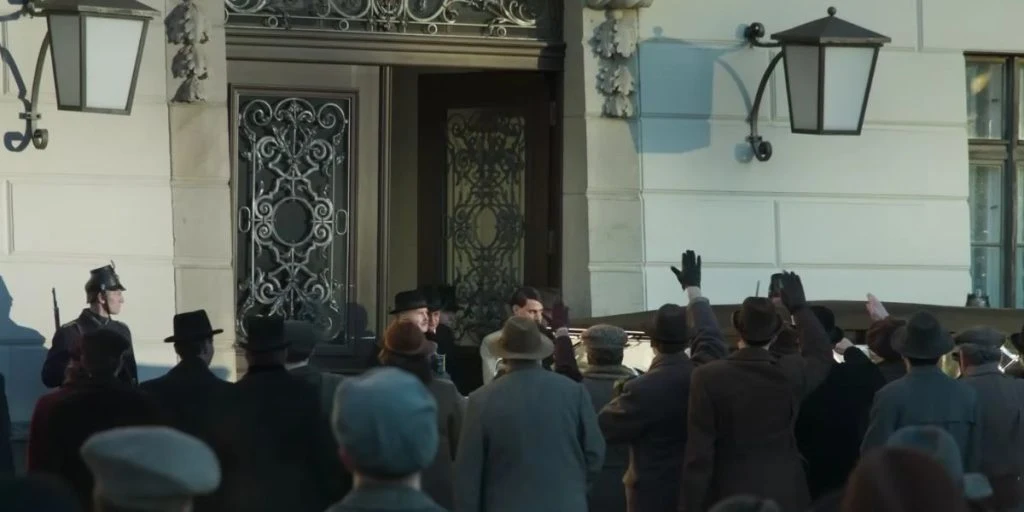
Looking back at pivotal historical moments, people often assume that those who lived through them saw dramatic shifts coming. Yet everyday choices usually unfold in real time, with the future hidden behind ordinary routines and shifting politics.


When directors Achim von Borries, Tom Tykwer, and Henk Handloegten started creating the hit series Babylon Berlin over ten years ago, they expected to wrap up their story on the day Adolf Hitler became chancellor in early 1933. But as they wrote the final fifth season, their perspective shifted.
The creators realized that the key drama unfolded over the five weeks right after Hitler took office. During those crucial days, the Nazi party quickly converted a fragile democracy into an absolute dictatorship.
People living through that era had no idea what was around the corner. According to reporting by Danish public broadcaster DR, director Achim von Borries noted in an interview that citizens did not expect twelve years of Nazi rule. Instead, many assumed the new leadership would last merely a few months.
Director Tom Tykwer explained to DR that historical figures lacked any sense of impending doom, calling such framing “filmmaker-bullshit” when added retroactively.


Dismantling from within
The show depicts a chaotic period filled with vibrant nightlife, political street battles, and complex moral choices. Instead of presenting an inevitable tragedy, the final season focuses on a desperate defense of democratic freedoms.
During those five weeks in 1933, state institutions were systematically dismantled. Social Democrats and Communists refused to work together in the German parliament, leaving the door wide open for Hitler to take power as chancellor.
Once in office, the Nazi party moved fast to secure total control. SA paramilitaries were turned into auxiliary police, wealthy industrialists funded the new regime, and emergency decrees stripped away fundamental civil rights following the Reichstag fire.
Von Borries mentioned to DR that seeing how openly the Nazis executed their plans was eye-opening, serving as a warning for modern audiences. He noted that the plot was completely prepared in advance, showing just how fast a fragile democracy can crumble.
Echoes in the present
The showrunners emphasized how culture suffered permanent damage during this era. Co-director Henk Handloegten noted that the sharp wit and vibrant irony of German cultural life vanished almost overnight when Jewish musicians, actors, and authors were systematically killed or forced to flee into exile.
The directors stressed that Germany still feels this immense loss today. A century later, the absence of those creative voices remains an unhealed wound in the country’s artistic heritage.
Tense political maneuvering inside parliament met swift suppression on the streets. As democratic structures crumbled from within, artistic communities were silenced through organized violence and state-sponsored terror.
Even so, the creators believe today’s society is better equipped to spot political manipulation. Tykwer pointed out to DR that people now have a deeper understanding of economic and social systems. Reflecting on past struggles simply helps individuals decide who they want to be today.
Source: DR



