
 Christine Drews Sieger
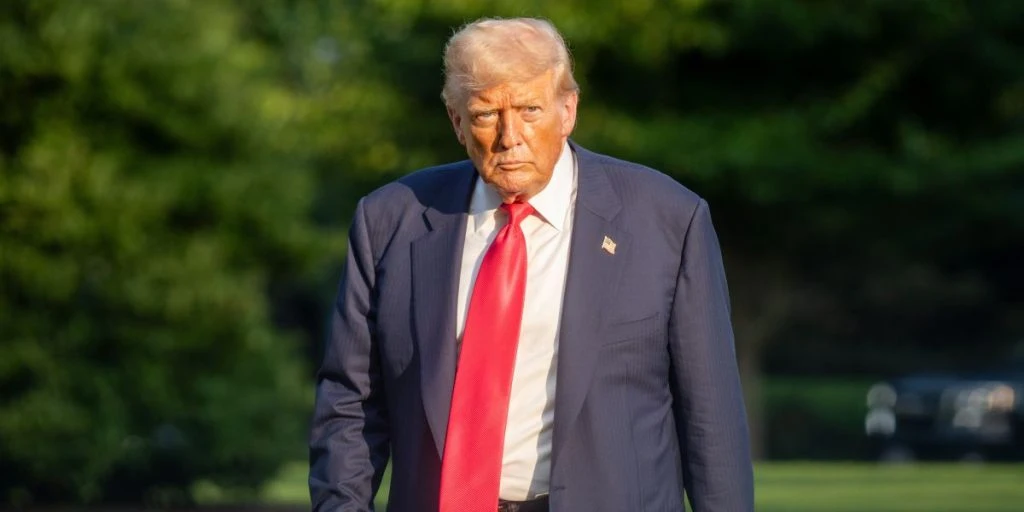
Tensions spike in the Middle East as Washington and Tehran trade severe military warnings.


Daily life across the Middle East faces sudden turmoil, while global energy markets brace for fallout.
Now, severe warnings from both sides have shattered any remaining hopes for peace.
Hostilities erupted anew over the weekend after sharp exchanges between Washington and Tehran.
US President Donald Trump issued a harsh ultimatum, stating that Iran’s leaders must “make a deal, rot economically or be wiped out.”


Speaking during a telephone exchange with a Fox News reporter, Trump simultaneously noted that he remains open to meeting Iranian President Masoud Pezeshkian at the United Nations General Assembly in New York, according to Reuters.
Tehran swiftly rejected the threats. Iranian military leadership warned that any new aggression would prompt continuous strikes on American installations, adding that neighboring nations hosting US forces would also be targeted as active combatants.
The bitter rhetoric follows months of stalemate after initial US and Israeli strikes hit the region in late February.
Critical routes blocked
Military clashes now threaten key global trade corridors. By capturing key shoreline positions along the Bab el-Mandeb Strait, Houthi rebels now hold a chokehold over commercial shipping routes connecting the Red Sea to international waters.
Following midnight explosions near Riyadh’s international airport, dark smoke was seen rising over the capital, Reuters reports.
In response to the strikes, Washington urged US citizens in the region to stay alert, citing expected flight disruptions and sudden airspace restrictions.
Global energy supplies are severely choked as a result of a dual naval standoff: Tehran continues to obstruct the Strait of Hormuz, while US forces prevent Iranian oil tankers from leaving port.
Diplomatic pathways remain narrow. Iranian Parliament Speaker Mohammad Baqer Qalibaf stated that Iran would have to “keep on fighting as well as negotiating, to push back its enemies and to consolidate any gains with diplomacy.”
Shipping Traffic Plunges
The disruption is already visible in the number of ships able to pass through the region’s key waterways.
According to Reuters, only 17 commodity vessels crossed the Strait of Hormuz over the weekend, down from 37 the previous week and far below the pre-war average of around 125 vessels per day.
Traffic through the Bab el-Mandeb Strait has also fallen, with 51 vessels crossing over the weekend.
The sharp decline highlights how the conflict is disrupting some of the world’s most important energy and shipping routes, even as limited tanker traffic continues.



