
 Christine Drews Sieger
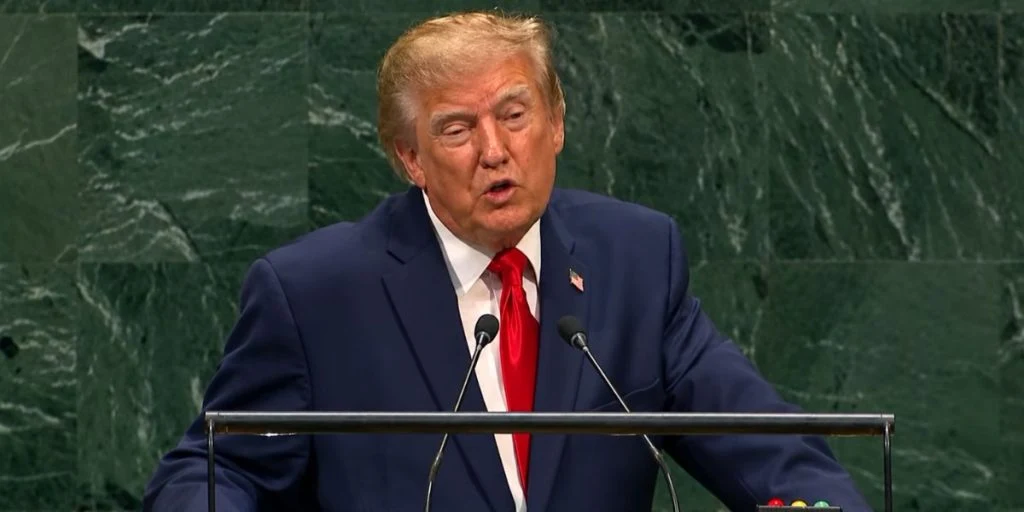
A federal court ordered the White House to reinstate press credentials for barred news outlets, sparking a major legal showdown over press freedom.


Tensions between the White House press corps and presidential administrations often flare up behind closed doors, but rarely do they break out so dramatically in public.
When the security credentials suddenly vanish, the dispute quickly lands in a federal courtroom.
US District Judge Timothy Kelly ordered the White House to grant reporters immediate access on Thursday morning in Washington.
The federal judge halted an administrative order that stripped White House credentials from CNN, MS NOW, and Politico.


The ruling provides a two-week window during which both legal teams must present formal evidence before a permanent decision is reached.
President Donald Trump originally revoked access for all three outlets after writing on social media, that he kicked them out “as a result of their constant ‘reporting’ FAKE NEWS!”
“The ‘general rule’ is that ‘individuals must receive notice and an opportunity to be heard before the Government deprives them’ of a constitutionally protected interest,” Kelly wrote in his opinion.
He noted that official security letters appeared vague and arrived only after passes were confiscated, according to CNN.
Locked outside anyway
Despite the court order, Secret Service guards continued to enforce the entry ban Thursday morning, blocking most media crews while letting a single producer pass through.
Attorneys representing the barred news organizations filed an urgent follow-up request asking Judge Kelly for an immediate compliance hearing.
Meanwhile, Justice Department lawyers maintained that presidential access remains a revocable privilege.
“This is a strong ruling vindicating freedom of the press, due process and the rule of law,” said attorney Ted Boutrous, praising the judge for stepping in without delay, according to CNN.
Broad media support
Major television networks mounted a rare joint protest in response to the original press ban.
Five national news networks refused to broadcast pool footage of presidential appearances while their colleagues remained locked out.
Nearly 50 media organizations also filed a joint amicus brief supporting the lawsuit, according to CNN.
The White House Correspondents’ Association praised the brief for defending long-established First Amendment protections.
With major diplomatic meetings taking place this week, both legal teams now face a strict two-week timeline to submit additional evidence before the judge issues a permanent ruling.
Why press access is important
The dispute highlights a broader question about the role of the press in a democracy.
The White House Correspondents’ Association says journalists covering the presidency must be able to seek answers from the nation’s highest office on behalf of the American people, allowing the public to receive independent information about government decisions and officials.
That makes access more than a matter of convenience for reporters: it gives the press an opportunity to question those in power, challenge their claims and bring information into the public debate.
As the current White House access dispute shows, the question of who is allowed to ask those questions can become part of the wider debate over transparency, accountability and the public’s ability to scrutinize its leaders.



