
 Kenneth Glad
Urban planners constantly struggle to find space in overcrowded modern capitals. The usual answer involves knocking down old buildings or pushing skyscrapers higher into the clouds. But one major European hub took a completely different direction to solve its real estate problem.

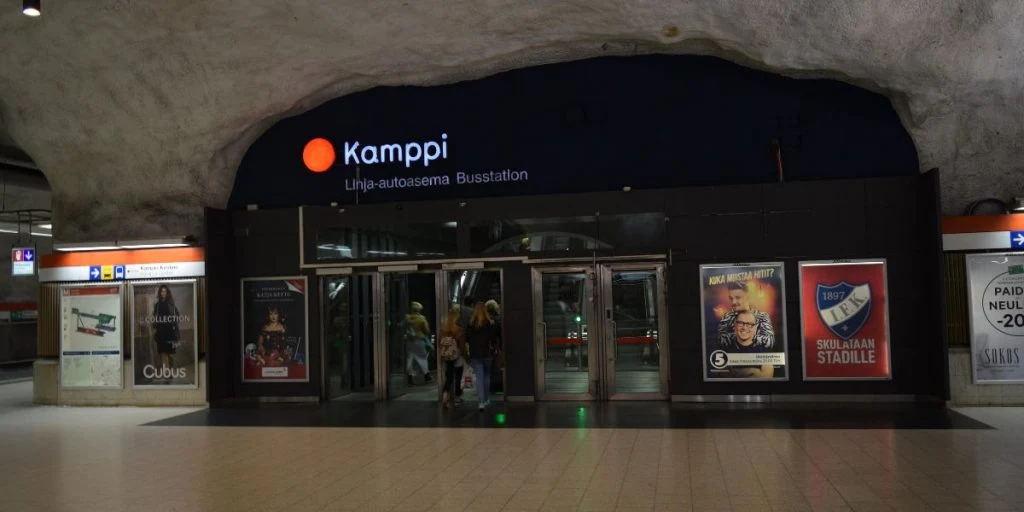
Beneath the busy pavements of Helsinki, Finland, a vast hidden network stretches for miles. The city boasts nearly 200 miles of subterranean tunnels. Heavy machinery drilled these massive pathways deep into the solid granite.
Planners wanted to preserve green spaces above ground. So, according to The Guardian, local authorities formally backed a masterplan in 2010 to shift everyday life downwards.
The caverns hold standard city infrastructure like heating plants and communication wires. More surprisingly, the subterranean maze also houses shopping centres, a go-kart track, and huge public leisure zones.
Swimming in stone
The Itäkeskus public pool showcases this unusual lifestyle perfectly. Millions of visitors have passed through its doors since it opened in the early nineties. It currently handles about 400,000 guests a year.


Swimmers splash under a fake moon while surrounded by jagged white stone walls. One corner features a brutally cold plunge pool. Meanwhile, the main swimming area pops with bright purple and yellow tiling to break up the gloomy cave aesthetic.
Visitors pay just six euros for adult entry. That ticket buys access to hot tubs, steam facilities, and pitch-black saunas where locals chat freely in the dark.
Ready for the worst
All of these fun community spaces hide a very serious backup plan. These underground hubs originally started as military bunkers during the Second World War. They still function as emergency shelters today.
If a major conflict ever breaks out, Helsinki can move 900,000 people below ground. That easily covers the entire population of the city.
Teams can empty the massive Itäkeskus pool in just under two days. Once the basin is dry, crews quickly set up special showers to wash off dangerous chemicals from civilians.
You would never guess this grim purpose on a normal Tuesday. The Guardian points out that the facility looks and smells just like any ordinary recreational centre.
Hiding in plain sight
Residents simply go about their daily routines until disaster strikes. Tourists regularly visit the famous Temppeliaukio church. They stand completely unaware of the heavy protection around them as they admire the building carved straight into a rocky hill.
Another popular spot is the Amos Rex art museum near a busy shopping district. Its roof features bizarre, funnel-shaped windows that poke through the pavement to let daylight into the galleries below.
Planners have built a highly functional haven waiting for an absolute nightmare scenario. Helsinki proves that emergency preparedness can actually look quite beautiful.
Source: The Guardian



