
 Jens Asbjørn Bøgen
If the vote had passed, it would have prohibited Switzerland from enforcing any sanctions unless they were directly mandated by the UN.

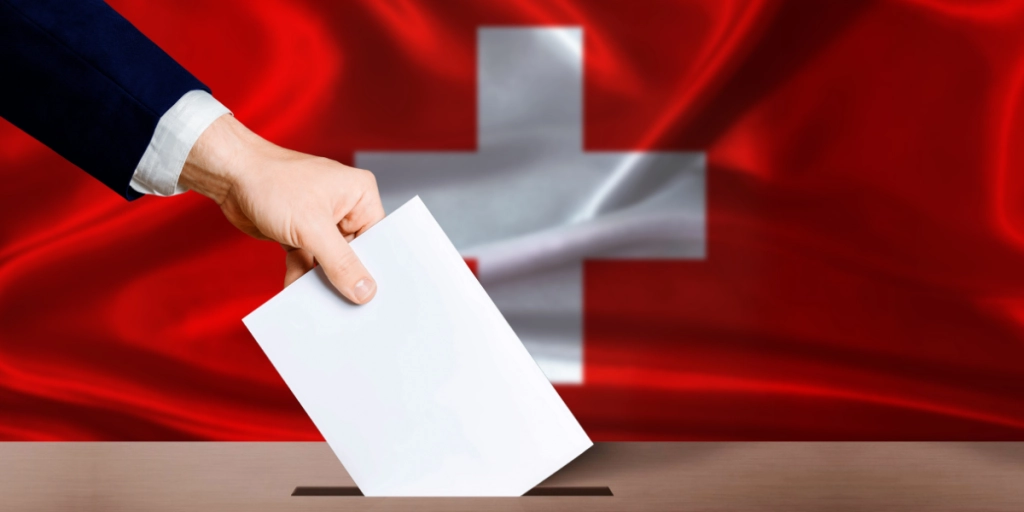
Swiss voters have overwhelmingly rejected a proposal to lock strict neutrality into their constitution in a referendum on Sunday, Euractiv and AP report.
The final results showed that 70.1% of voters said no. Across all 26 regions, citizens chose to turn down the plan.
The hard-right Swiss People’s Party backed the measure to prevent Bern from taking sides. In their view, joining sanctions against Russia after the invasion of Ukraine damaged the nation’s standing. But opponents quickly labeled the push as pro-Russian.
Could have halted sanctions enforcement
Had the proposal passed, Switzerland could not have enforced economic sanctions unless ordered directly by the United Nations.


Because Russia holds veto power on the UN Security Council, such UN sanctions would become nearly impossible.
It also would have barred closer security cooperation with NATO unless the nation came under direct attack.
Neutrality dates back centuries in the European country, earning international recognition in 1815. Even so, government leaders insisted rigid rules would tie their hands today.
Security on the mind
In a recent televised debate, Swiss Foreign Minister Ignazio Cassis defended the current approach. “Neutrality has always been applied with a degree of flexibility,” Cassis said.
He stressed that “neutrality does not mean indifference” and added that the country would “not look away when we see violations of the very international rules that allow us to live in peace.”
European officials welcomed the referendum outcome. Norbert Lins, Chair of the European Parliament’s Delegation for relations with Switzerland, praised “the fact that the rejection of the neutrality initiative will not create any additional obstacles to our cooperation on foreign and security policy.”
On voting day, citizens brought contrasting worries to polling booths. Ruth Bolomey, 65, voted yes out of fear for domestic safety.
Meanwhile, 78-year-old Jihad Azkoul voted no, wondering if Swiss neighbors would help if Russia ever attacked.
Ultimately, voters chose to give their leaders room to navigate future crises. While Switzerland remains outside military alliances, it keeps the freedom to work with allies when security requires it.



