
 Kenneth Glad
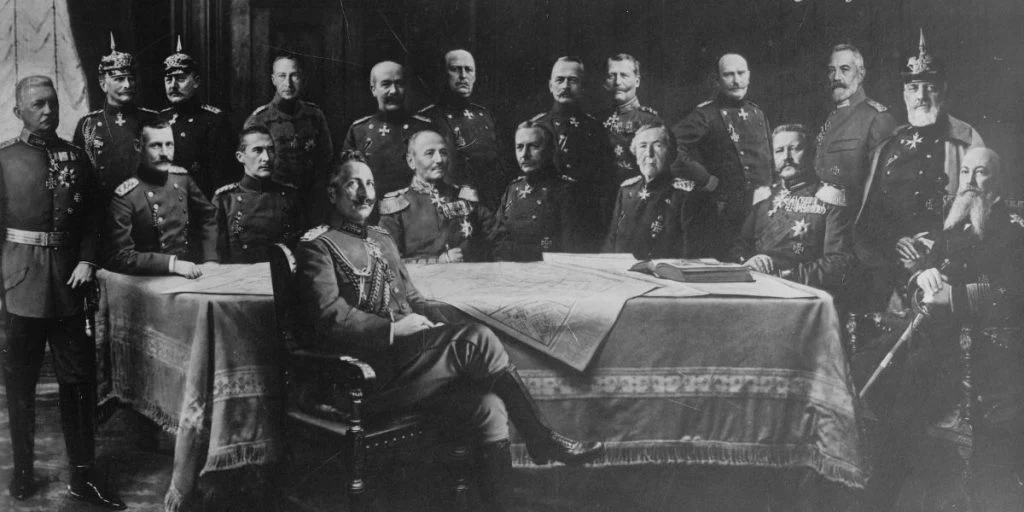
An insecure historical figure allowed deep-seated personal anxieties to dictate crucial international decisions. This toxic dynamic ultimately led to unprecedented geopolitical devastation worldwide.


To understand the destructive foreign policy of Germany’s last emperor, one must look at the immense psychological scars inflicted during his youth, as reported by HistorieNet. A brutal birth in the mid-nineteenth century left him with severe oxygen deprivation and permanent nerve damage, resulting in a stunted and largely useless left limb.
Rather than receiving comfort, the young royal endured horrifying medical interventions, such as being subjected to electroconvulsive therapies and wearing agonizing medieval-style stretching contraptions. The trauma was compounded by his mother, a British princess, who constantly berated his homeland as culturally inferior to her own nation.
Masking deep personal insecurity
This toxic combination of physical inadequacy and maternal rejection bred a devastating inferiority complex. He desperately sought to project hyper-masculine dominance to mask his vulnerabilities, developing an extreme obsession with military pageantry.
His closets held hundreds of custom-tailored outfits featuring specially modified pockets designed to completely hide his paralyzed limb. By constantly dressing as a fierce warlord and distributing these heroic portraits to his subjects, he attempted to rewrite his own narrative.


Upon seizing the throne, the arrogant young ruler immediately began dismantling the sophisticated political apparatus built by his predecessors. His first major blunder involved ousting the legendary chancellor Otto von Bismarck, the very mastermind who had successfully forged the modern German state.
The monarch harbored deep resentment toward seasoned advisers, preferring instead to surround himself with groveling opportunists who relentlessly stroked his fragile ego. As Bismarck astutely observed before his departure, writes HistorieNet, the sovereign routinely ignored expert counsel in favor of making unilateral, often irrational, decisions.
Diplomats quickly learned that the only effective way to influence the temperamental leader was through overwhelming, cartoonish levels of flattery. Any politician who dared to offer constructive criticism was swiftly ostracized, leaving the empire at the mercy of an echo chamber.
Fuelled by this unchecked grandiosity, he launched a massive campaign to expand his naval forces and colonial holdings. This aggressive posturing was less about strategic necessity and more about a desperate need to intimidate his British relatives and prove his nation’s supremacy.
Sabotaging vital international alliances
Foreign affairs under his volatile leadership rapidly degenerated into a series of embarrassing international incidents and burned bridges. He casually discarded a vital non-aggression pact with Russia, arrogantly assuming his personal relationship with the Tsar would suffice.
This critical miscalculation eventually forced Russia to ally with France, effectively boxing his empire into a highly precarious two-front geopolitical nightmare. Compounding these strategic blunders was his staggering inability to communicate respectfully with other heads of state, according to historical accounts reported by HistorieNet.
He routinely mocked foreign dignitaries, calling the Italian monarch a dwarf and labeling the British Prime Minister a scoundrel. His own grandmother, Queen Victoria, expressed absolute horror at his wildly inappropriate correspondence, noting that no respectable sovereign should ever communicate with such profound disrespect.
During a disastrous newspaper interview intended to mend fences, he managed to alienate the entire British public by declaring them completely mad. Furthermore, he encouraged his own troops to behave like ruthless barbarians during overseas deployments, permanently staining the international reputation of his military forces.
A bizarre and isolated exile
When the continent finally plunged into the catastrophic abyss of the First World War, the boastful commander proved entirely useless. Military generals quickly realized his incompetence and relegated him to a mere figurehead, leaving him to wander occupied territories while handing out medals.
As the war effort collapsed and revolution swept through the starving homeland, his people finally demanded the removal of their disgraced sovereign. Escaping across the border into neutral territory, the deposed ruler avoided facing any actual consequences for the immense bloodshed he had provoked.
His lengthy retirement in the Netherlands devolved into a deeply eccentric routine focused entirely on aggressive landscaping. Over the course of two decades, he systematically decimated the local forests, chopping down tens of thousands of trees just to occupy his restless mind.
Even in his twilight years, he remained completely delusional about his legacy and the evolving political landscape of his former realm. He actually sent a congratulatory letter to Adolf Hitler, foolishly believing the brutal fascist regime might somehow invite him back to reclaim his lost throne.
History offers a sobering warning about the dangers of surrendering national destiny to leaders consumed by deep-seated personal grievances. When an executive prioritizes sycophantic loyalty over seasoned expertise, treats international relations as a forum for petty insults, and relies on dramatic posturing to project strength, the catastrophic fallout is rarely confined to their own era.
In today’s political climate, the resurgence of impulsive authority, hostility toward institutional checks, and an obsession with personal brand echoes these century-old warning signs. When fragile egos replace prudent statecraft, nations are inevitably steered down a familiar and dangerous path toward chaos.
Source: HistorieNet



