
 Kenneth Glad
Global political shifts often seem like distant noise. Yet diplomatic ripple effects can reach far beyond capital cities, quietly changing how researchers and students work across the world. A recent breakthrough is now thawing a long winter in the far north.
Last week brought a major diplomatic shift in New York as a fresh treaty wiped away months of lingering uncertainty.
The pact brought together top figures from three governments. US President Donald J. Trump sat down with Danish Prime Minister Mette Frederiksen and Greenlandic leader Jens Frederik Nielsen to finalize the terms.
The news triggered an immediate wave of relief across the North Atlantic. While the precise details remain unclear, local science hubs are already rushing to update their rules.
Rethinking the boycott
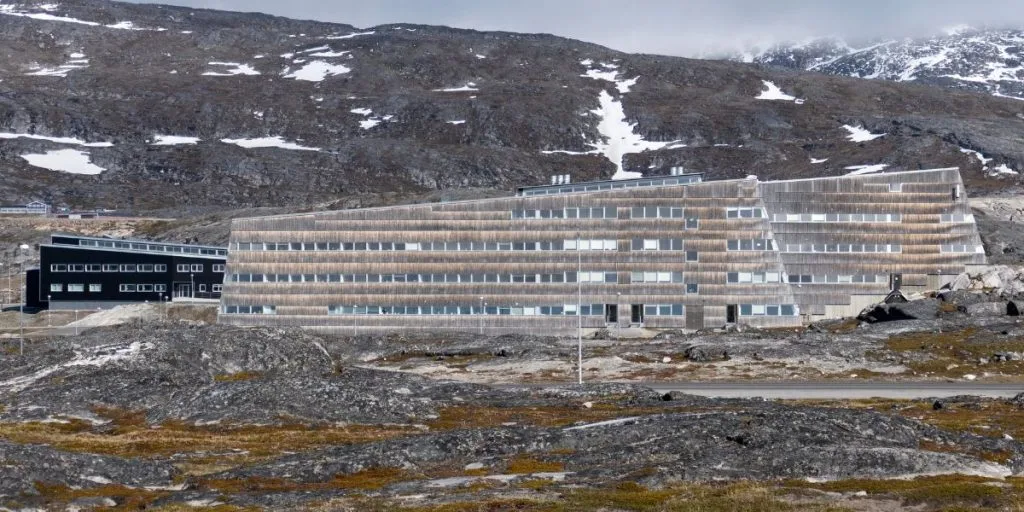
Over the past year, international friction had completely frozen academic ties. The University of Greenland refused all new research projects with American teams during that time.


That hardline policy is finally under review. University officials confirmed to Danish science site Videnskab that the new diplomatic landscape has completely altered their outlook.
University rector Mari Kleist said to the outlet:
“The new situation obviously changes things. The coming period will show what this will mean specifically for research and educational cooperation, but we look forward to the opportunities that may arise when the time is right.”
The prolonged diplomatic freeze took a massive toll on the university campus. For months, staff found themselves exhausted by a barrage of questions from curious international observers.
“It has required extra time and resources, and together with the rest of the management I have often had to deal with the development. Hopefully, the agreement and the further process will lead to a more stable and secure framework,” Kleist explained.
Small steps forward
A second major academic hub is mirroring this policy shift. The Greenland Institute of Natural Resources also blocked new US projects during the summer.
Director Josephine Nymand pointed out that the atmosphere has changed rapidly over the last few weeks.
“A lot has happened since then. A new situation and a new time,” she said to Videnskab. “As an institution, we are open to collaboration with partners we trust and know, including from the US.”
Nymand did stress that rebuilding broken trust will take a while. Because her team is already stretched thin, they are not hunting for new partners right away. Still, future research proposals from the United States will find an open door once again.
Source: Videnskab



