
 Kenneth Glad
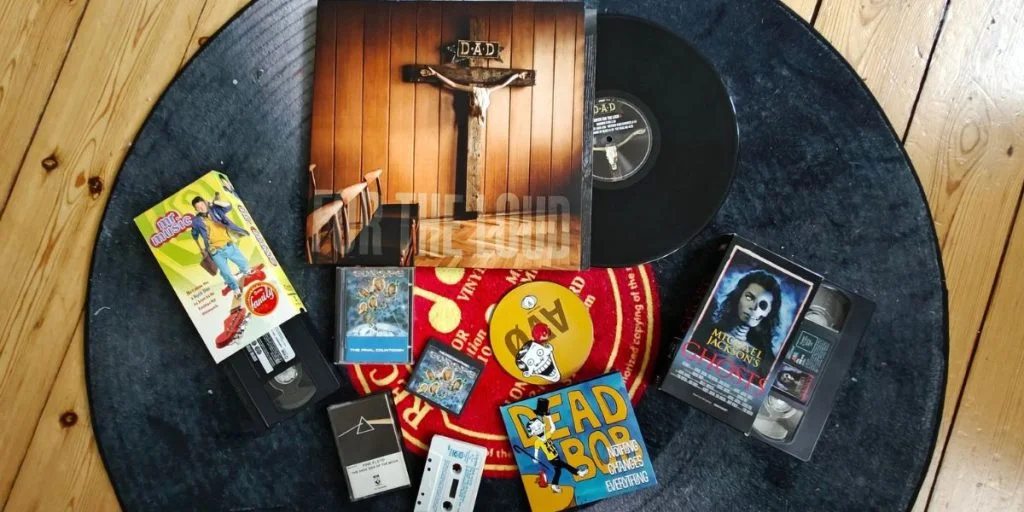
Digital life is built on monthly fees and endless playlists. The sheer convenience is impossible to deny. But behind the scenes, a quiet revolt against the algorithm is brewing in living rooms across the world.

People are dusting off their old records and cassettes. Many users simply want to escape the constant data tracking of modern streaming platforms. They are tired of handing over their names, bank details, and exact locations to tech companies.
Software engineer Antonio told The Guardian he buys used CDs twice a month to protect his privacy. The 40-year-old from Reading visits local charity shops to dodge sudden subscription price hikes.
“Nowadays we hand over so much of our data (intentionally or unintentionally) to big corporations that, if I can reduce it in any way, I’m more than happy to do so,” he said.
Missing shows also push viewers toward older formats. A compliance manager named CJ started building a physical library after HBO pulled hundreds of Sesame Street episodes in 2022. The 55-year-old from Atlanta now scours flea markets for rare movies that streaming apps refuse to host.


“As the saying goes, if you can’t hold it, you don’t own it, and we firmly agree with this,” CJ told the British newspaper.
Escaping the algorithm
Music fans share a similar frustration with computer-generated choices. For some listeners, automated suggestions just turn art into background noise.
Ash is a university lecturer from Cornwall who built a collection of thousands of records. Speaking to the British newspaper, he admitted that relying entirely on apps ruined his attention span:
“I spent more time making playlists than listening to music; I lost the ability to listen to a whole album and missed the physical connection with music.”
Other collectors simply want to ensure artists actually get paid. Ruth is a retired professor from Michigan who built a dedicated walk-in closet for her massive physical music collection.
She told the outlet that human curiosity always beats software:
“No algorithm is as creative as a well-stocked human brain alive to its actual surroundings.”
The joy of slowness
Others crave the physical routine of putting a tape in a deck. Washington resident Quinn, 26, buys cassettes directly from local bands. His food delivery job leaves him little time for live concerts, so purchasing tapes helps him support artists directly. He prefers to hand friends a physical copy rather than text a web link.
“My switch has definitely come with the desire to choose what I’m engaging with,” he told The Guardian. He added that he appreciates the inherent restrictions and mechanical quirks of analogue equipment.
The actual delay of older technology has become a genuine luxury for families. Tim, a 61-year-old academic in Sweden, loves taking his children to their summer house to watch dusty DVDs. He noted that the aging discs often require a quick clean to remove old sticky fingerprints.
“I love this middle stage between the digital and the analogue, and the slowness of the setup to see the films,” he explained to the paper. Next, he plans to dig out his partner’s childhood collection of VHS tapes.
Source: The Guardian



