
 Daniel Wolfram
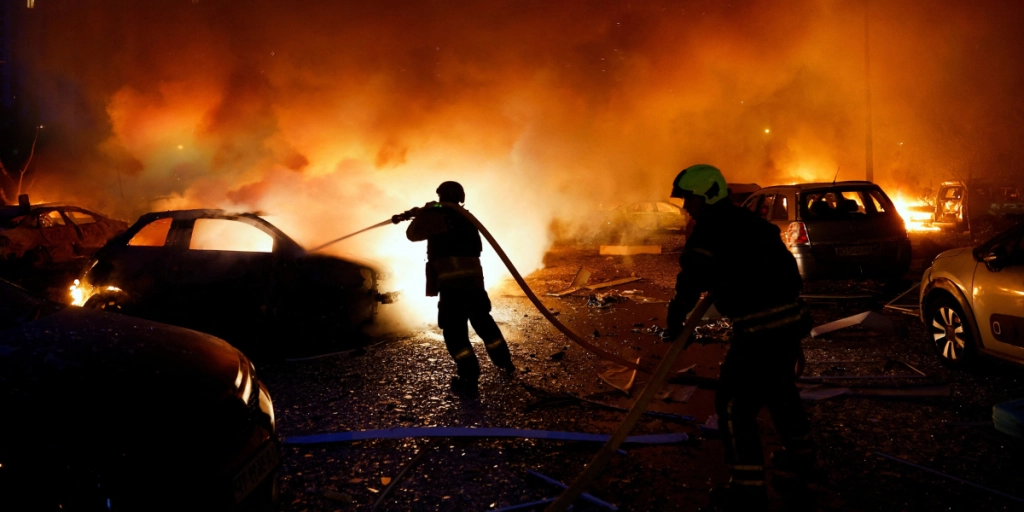
Up to 450,000 demonstrators have taken to the streets all over France to protest its school system.


What started as a local protest at a school in a Parisian suburban area has quickly turned national. The protests have spread to over 40 cities across France.
Official reports counted over 250,000 demonstrators nationwide, though student unions claimed 450,000 marchers took to the streets.
Teenagers filled major avenues while police used tear gas and water cannons. Marseille student Alissa insisted most marchers wanted peace. “Most of us aren’t violent,” she said to the BBC. “We’re going to the streets because they’ve closed our schools […] schools are falling apart.”
Rising police clashes
Much of the anger also stems from substandard conditions at their schools. Her classmate Sacha noted that leaking ceilings regularly disrupt lessons. “So we can’t really work a lot of time,” he explained, adding, “We will keep doing this until good measures are taken.”


Meanwhile, allegations of police brutality keep being reported and recorded. Prosecutors charged one officer with “violence… resulting in mutilation or permanent disability” after he fired a gas grenade at 14-year-old Eden, fracturing his jaw.
In Lens, a 15-year-old student lost his hand when a stun grenade exploded. There are conflicting reports on how he lost his hand. Police say that he picked up the grenade, which then exploded in his hand. Eyewitnesses refute that claim, saying that he did not pick it up.
Political battle lines
Protests are even drawing in older generations. Retired teachers Alain and Michèle joined the marches in Paris to support their three grandchildren. “We are the grandparents of three students who are all mobilised,” Alain told the BBC.
Political leaders are taking a hard line against the protesters. Prime Minister Sébastien Lecornu accused opposition rivals of trying to “sow chaos.”
Education Minister Édouard Geffray claimed that “ultra-violent elements infiltrated the high-school student movements.”



