
 Asger Risom
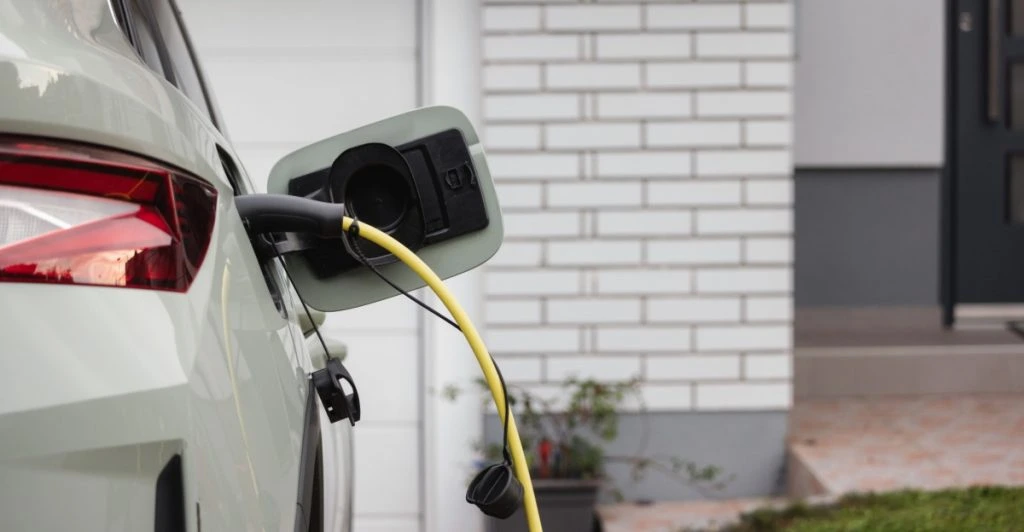
The era of the six-figure electric vehicle is fading. Driven by aggressive new entries like the reborn Chevy Bolt and Kia EV3, the 2026 EV market finally offers long-range, practical models well under the $35,000 mark.
For the better part of a decade, breaking up with fossil fuels required a luxury budget. Electric vehicles were widely viewed as high-tech toys for early adopters, burdened by massive price premiums that completely wiped out any monthly fuel savings.
But according to a comprehensive market analysis by InsideEVs, the era of the exclusively expensive EV is officially over. Automakers are finally prioritizing the budget-conscious driver, flooding the 2026 market with highly capable, long-range electric cars that actually cost less than the average gas-powered crossover.
The broader economic data supports this shift. Recent market tracking from Cox Automotive confirms that the historical “EV price premium” over traditional combustion vehicles has essentially collapsed. By August 2026, Cox Automotive reported the premium on new EVs had fallen below 10%, bringing true price parity closer than ever before. In Europe, the shift is even more dramatic, with sales of battery-electric cars priced below €25,000 projected by Transport & Environment to increase sevenfold in 2026 compared to 2024.
If you are looking to ditch the gas pump without breaking the bank, here is how the new affordable EV landscape breaks down.


The new baseline: 300 miles for less than $37,000
The most significant shift in the 2026 market isn’t just that EVs are getting cheaper; it’s that cheap EVs are finally getting better. Previously, buying an entry-level electric car meant settling for crippling range anxiety and painfully slow charging speeds.
That compromise is dead.
The 2026 Chevrolet Equinox EV ($36,795) represents the new gold standard for the pragmatic buyer. It delivers an EPA-estimated 319 miles of range on a single charge—beating out cars that cost twice as much. Similarly, the vastly improved 2026 Nissan Leaf ($31,535) has shed its outdated tech and low range, transforming into a stylish crossover that also easily clears the 300-mile mark.
Even legacy heavyweights are being forced to slash prices to compete. The refreshed 2026 Tesla Model 3 RWD is now priced at an aggressively low $38,630, making it one of the most compelling performance-per-dollar sedans on the global market.
The return of the sub-$30k EV
The true battleground, however, is at the absolute bottom of the pricing ladder.
Kia has just introduced the 2027 Kia EV3, starting at an incredibly aggressive $31,385. While the base model yields 221 miles of range, stepping up to the larger battery pushes it to an impressive 321 miles. Crucially, the EV3 features a factory-integrated NACS port, allowing budget buyers to natively use the Tesla Supercharger network without clunky adapters.
But the undisputed champion of the budget market is the reborn 2027 Chevrolet Bolt. General Motors killed the Bolt, only to quickly revive it when they realized they had abandoned the entry-level market. Starting at just $28,995, the new Bolt offers 262 miles of range and fast-charging capabilities that triple the speed of the previous generation. It is currently the cheapest new EV you can buy in America.
The used market remains the ultimate cheat code
While the new car market is finally delivering real options, InsideEVs rightfully points out that the absolute best way to hack the EV transition is to buy slightly used.
Because electric cars historically suffered from aggressive initial depreciation, the secondary market is currently flooded with high-quality, off-lease EVs. If you are willing to buy a two-year-old vehicle, you can often knock thousands of dollars off the upfront cost while still securing a car with excellent battery health and modern tech. Recent reports from FinanceBuzz, citing Cox Automotive data, note that the average used EV in August 2026 was listed for $37,441, a massive $17,000 discount compared to the average new EV transaction price, making them a remarkably practical alternative.
The math is finally working. Between plummeting sticker prices, normalized charging networks, and a thriving used market, 2026 is the year the electric car finally became a pragmatic financial decision.



