
 Christine Drews Sieger
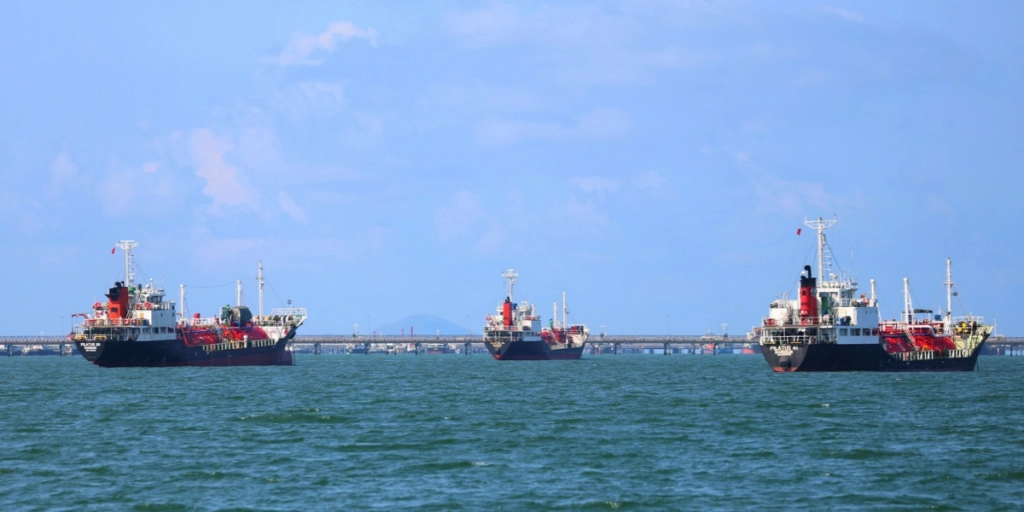
Near 97 percent of civilian cargo ships continue to safely navigate the Strait of Hormuz despite ongoing military strikes.


Navigating global shipping routes often means balancing massive economic stakes against unpredictable geopolitical friction.
Commercial vessels cross these vital ocean pathways every day, relying on heavy security measures to keep world trade moving safely forward.
Iranian military forces continue targeting commercial vessels in the Strait of Hormuz, but U.S. military officials maintain that the attacks have failed to halt commercial traffic.
U.S. Central Command confirmed this week that nearly 97 percent of civilian cargo ships cross the international waterway without encountering any trouble.


Active naval escorts and aerial monitoring operations allow thousands of mariners to navigate the crucial passage safely.
One of the recent incidents involved the container ship GFS Pride. The vessel, which is Cyprus-owned and sails under a Singaporean flag, caught fire following a projectile strike on Wednesday and subsequently sank during a salvage attempt as tugboats towed it toward shore.
U.S. military leaders stress that hostile forces are failing to achieve their primary goal of closing the strategic passage despite these highly visible strikes, according to Fox News.
Continued High Shipping Traffic
Traffic through the strait remains substantial; approximately 400 merchant vessels navigated the channel over a single recent week alone.
During that same period, U.S. forces and regional partners assisted in protecting the transit of more than 100 million barrels of crude oil.
The human toll on commercial mariners remains heavy despite the high success rate for cargo ships.
Over 20 civilian mariners have died in Iranian maritime attacks since February, according to reports from the International Maritime Organization, cited by Fox News.
The Human Cost of Disrupted Shipping
Despite the continued movement of commercial vessels, the crisis has left thousands of seafarers facing prolonged uncertainty.
According to the International Maritime Organization (IMO), up to 400 ships carrying approximately 6,000 seafarers have been unable to leave the Persian Gulf safely since the conflict began.
The organization has warned that crews continue to face heightened risks and uncertainty, while disruptions to shipping threaten vital global supply chains for fuel, fertilizers and other commodities.
Dual Operational Focus in the Region
According to U.S. officials, American forces operate with a dual mandate in Middle Eastern waters: escorting commercial cargo vessels through dangerous waters while enforcing naval trade restrictions against Iran, Fox News reports.
U.S. forces block all commercial exports and imports from entering or leaving Iran unless officials grant specific authorization for humanitarian relief cargo.
More than 50,000 U.S. service members remain stationed throughout the region to maintain this operational posture.
Defense teams partner with local Gulf nations to safeguard regional airspace and protect critical commercial lanes from air and sea strikes.



