
 Kathrine Frich

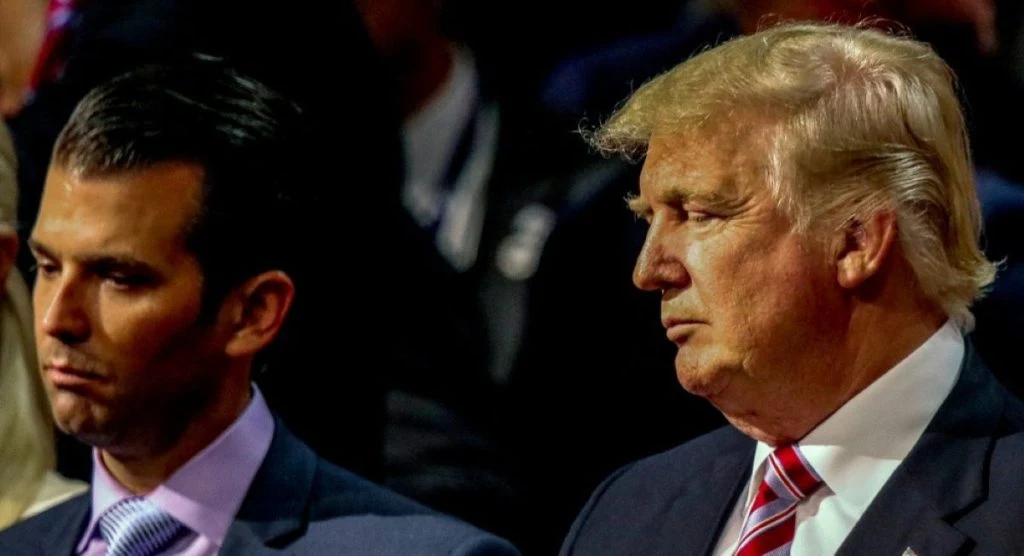
Trump Jr. used to praise his dad.


Campaign promises are easy to make when the cameras are flashing.
Politicians stand on stage, pledge a simpler future, and rally their most loyal fans.
Years later, reality often tests even their closest allies at home.
A quiet family split
Back in April 2024, when Iranian missiles and drones flew toward Israel, Donald Trump Jr. boasted online that his father would keep America out of Middle Eastern battles, according to The Atlantic.


“Remember when they said Trump would get us into a full-blown war with Iran?” he posted on X at the time. “Times like these should make us all realize how lucky we were to have Trump, his strength and his resolve.”
Two and a half years later, the United States is fighting that exact war. Behind closed doors, two insiders who spoke directly with the president’s eldest son told The Atlantic that he has opposed the conflict from day one, even sharing those doubts directly with his dad.
Long wary of overseas entanglements, Trump Jr. shared that view with his close friend, the late conservative activist Charlie Kirk, who also split with the White House over Iran, The Atlantic reported.
“Don has kept his views on the subject private, as he would never publicly break with his dad on an issue like this, but I can’t imagine anyone who knows Don would be surprised by his personal views on the subject,” a source close to him told the magazine.
The most MAGA
While a spokesperson for Trump Jr. declined to comment and the White House ignored questions about his stance, an official told The Atlantic in a statement, “Iran has been decimated, and one way or the other, the conflict in Iran will be over very soon.”
Still, teaming up with Israel against Tehran has opened a fierce fight over what “America First” really means. One of the people who spoke directly with the younger Trump about his opposition to the war told The Atlantic, “Don Jr. is the most MAGA of them all.”
Doubts reached the West Wing too. According to The Atlantic, Vice President Vance privately pushed back before the US joined Israel’s campaign, while Secretary of State Marco Rubio and CIA Director John Ratcliffe doubted Israeli Prime Minister Benjamin Netanyahu’s February pitch for air-led regime change.
Growing political costs
Meanwhile, voters are feeling the squeeze. A recent Pew Research Center poll cited by The Atlantic found 65 percent of Americans disapprove of how President Trump has handled Iran, while only 33 percent approve and Republican support slipped from 69 percent in March to 63 percent.
Initially pitched as a four-to-six-week operation launched without approval from Congress, the war is now expected by nearly half of Americans to last past a year. As energy market chaos drives up gas prices ahead of the midterms, The Atlantic notes that many base voters feel betrayed on core promises to avoid foreign wars and lower living costs.



