
 Kenneth Glad

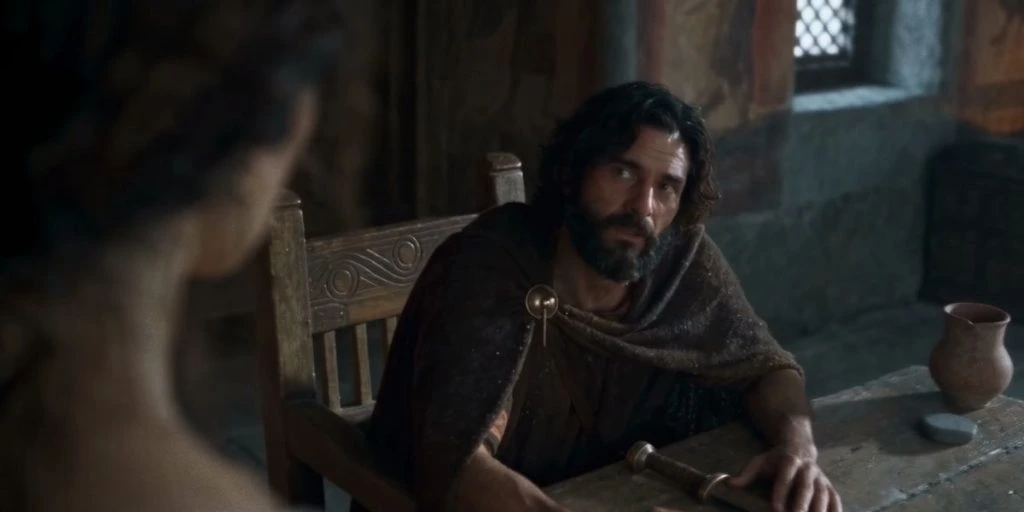
Big-budget cinema has always drawn strong opinions from outspoken spectators. When legendary tales reach the big screen, creative disputes often erupt across social media, yet few people ever try to remake a blockbuster from their own laptop.

Disputes between tech leaders and Hollywood directors rarely lead to movie cameras. According to The Guardian, Elon Musk sparked an unexpected quarrel when he publicly took aim at Christopher Nolan’s summer blockbuster The Odyssey. Musk denounced the casting decisions prior to viewing the finished project, complaining about the selection of Elliot Page and Lupita Nyong’o.
Nolan’s cinematic release went on to earn glowing reviews and colossal ticket sales worldwide. Rather than letting the disagreement fade, the billionaire argued that his proprietary Grok software could generate a far more faithful version of Homer’s ancient tale.
Few observers took the boast seriously at the time. Months have passed, the cultural conversation moved elsewhere, and most people simply moved on with their lives.
Wooden digital myth
Now, the billionaire has unveiled a seven-minute video sample in an effort to back up his words. The preview acts as an introductory chapter, showing Odysseus attempting to evade military enlistment by acting unstable. Fellow leaders place the hero’s baby boy before a moving plough, forcing Odysseus to step forward, drop the deception, and embark on the fleet toward Troy.


Click to display external content from x,
- You can always enable and disable third-party content.

You agree to display external third-party content. Personal data may be sent to the provider of the content and other third-party services.
The resulting footage lands with a thud. Writing for The Guardian, film critic Peter Bradshaw reported that the artificial rendering feels completely lifeless, comparing the visuals to low-grade military shooter cutscenes and primitive arcade games.
Even the audio elements fail to generate genuine drama. Bradshaw noted that computer-generated voices deliver lines with a flat, robotic tone that robs every emotional farewell and dangerous voyage of human feeling.
Hollow tech stunt
Industry observers view the clip as a desperate bid to rescue a lost argument rather than an authentic creative effort. Bradshaw jokingly wondered if the software would next attempt to rewrite corporate scandals or historical disasters to fit Silicon Valley fantasies.
He quipped that Grok might recast Tom Cruise as an oil tycoon saving the planet through endless drilling, or imagine disgraced Theranos founder Elizabeth Holmes proving her fraudulent blood-testing technology actually worked before flying away in a futuristic vehicle.
Such pointed satire cuts to the heart of why the demo fell flat with viewers. The underlying conflict had already vanished from public memory, making the sudden seven-minute release look less like an inspired artistic premiere and more like an awkward digital grievance.
While big-screen directors spend years refining complex character motivations and dramatic pacing, this project merely strung together generic computer prompts to settle an old score.
Computer models certainly continue to develop at breakneck speed. Technical fidelity will inevitably advance, and future iterations of the software might render Greek warriors with sharper textures or smoother motion.
Even so, Bradshaw concluded that the experiment reveals a stark commercial truth: automated clips may drastically cut production budgets to almost nothing, but they also drain out any trace of artistic and human value.



