
 Kenneth Glad

When people organize local community meetings, they usually worry about booking a room and gathering enough volunteers. The biggest challenge is often keeping everyone on the same page in a group chat. Nobody expects to find themselves caught in a sprawling web of federal surveillance.

Attorneys for a group of activists known as the Minnesota 15 have uncovered a massive intelligence program. According to Wired, a recently expanded Department of Homeland Security used anti-terrorism tools to monitor everyday residents.
The residents opposed federal immigration policies. The operation draws authority from a controversial national security memo issued last September. That directive specifically targets vocal critics of the administration.
Defense lawyers claim the government repurposed funding from a 2008 program called Operation Keyhole. Investigators originally designed that initiative to finance undercover work in complex cases.
The targets used to be international drug cartels. Internal documents reveal that a committee of senior justice officials reviews the budget of this certified operation every six months.


Now, federal agents have aimed those vast resources at left-wing social movements under the umbrella of Project Whipple Shield. The resulting surveillance net swept up people far beyond Minnesota. It monitored anyone perceived as organizing against the government agenda.
Undercover in the pews
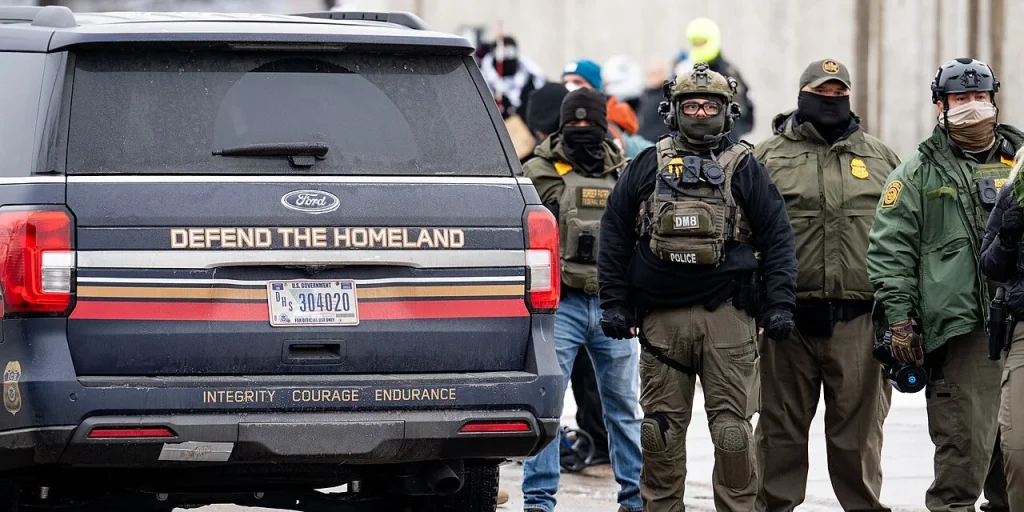
More than 100 agents worked on the Minnesota case alone, according to Wired. Many were pulled from specialized units that typically handle human trafficking and organized crime.
At least 11 undercover officers infiltrated local community groups. They attended protest marches, martial arts classes, know-your-rights trainings, and even church services.
Investigators also deployed military hardware to watch from above. Unarmed Reaper drones, borrowed from Customs and Border Protection, tracked activists as they moved around the Twin Cities region. On the ground, agents actively ran license plates outside meeting spots.
Kevin Riach represents one of the defendants facing federal conspiracy charges. Prosecutors claim the activists illegally coordinated to expose agents during a crackdown known as Operation Metro Surge.
Riach notes the strange nature of the government’s claims: “This is the first time I’ve had a client who’s accused of a conspiracy and went on a speaking tour.”
Echoes of the past
The surveillance effort relied on highly invasive digital tactics. Agents bought data from commercial brokers, tracked website traffic, and pulled financial records using Patriot Act powers.
Investigators scrutinized everyday wire transfers and PayPal reimbursements. They also downloaded 15 terabytes of encrypted group messages.
When one activist shared a custom license-plate search tool online, the feds pounced. Agents combined website logs with state driving records to instantly uncover Social Security numbers and property deeds. They even bypassed traditional court warrants to grab phone records for journalists.
Experts say the United States has not seen a domestic intelligence operation of this scale in decades. Former FBI agent Mike German told Wired the tactics mirror how the government suppressed civil rights groups in the 1960s.
“Broad monitoring of social media, communications, and financial transactions are used to link an ever increasing number of people as potential subjects of investigation and prosecution,” German explained to Wired.
The new playbook
Legal experts warn that the true scope of the surveillance network remains unknown. Spencer Reynolds is a former homeland security lawyer who now works at the NAACP Legal Defense Fund. He told Wired the effort reaches far beyond a single state.
“This operation does not seem in any way limited to Minnesota,” Reynolds said. He warned that this undercover apparatus runs quietly in parallel to the sweeping national raids conducted by border patrol units.
Defense attorneys argue the federal government is using immigration enforcement agencies to punish political dissent. They note that out-of-state agents involved in the Minnesota files previously investigated journalists and clashed with union leaders in California. Riach believes the situation is deeply alarming.
“What we saw during the immigration surges last year was that ICE is the administration’s paramilitary force, the projector of strength,” he told Wired. He fears the agency is now stepping into the role of an investigative secret police to deliver an authoritarian crackdown.



