
 Jens Asbjørn Bøgen

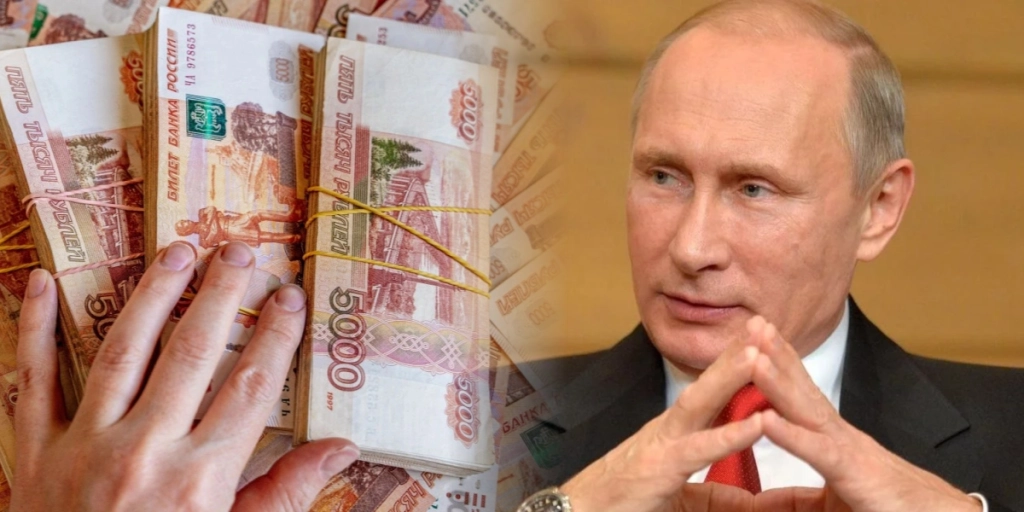
Russia’s war-strained federal budget is searching the country for anything that can still be turned into cash.


Moscow has now reached into one of the quietest corners of the private economy, the forgotten savings of Russians who died years ago, and given the state a fast-track route to the money without the usual paperwork.
A presidential decree signed on November 2 authorizes Rosimushchestvo, Russia’s Federal Property Management Agency, to compile lists of bank accounts, deposits, and precious-metal holdings belonging to citizens who have been dead for more than five years and whose heirs have never come forward.
The money, once listed, goes to the federal budget.
The procedural change is the heart of the decree: Rosimushchestvo’s registry serves as the legal basis for the transfer, removing the notarial certificate of escheated property that previous law required.


Banks have 15 working days from receiving the agency’s demand to move the funds.
The December 1 trigger
The timetable is immediate. By December 1, 2026, the Federal Tax Service must hand Rosimushchestvo its first batch of data on deceased account holders, drawn from tax records, notarial chambers, bailiffs, and the banks themselves, according to Russian legal outlet Online47.
Foreign-currency holdings will be converted to rubles before transfer, and precious-metal accounts will be valued either by the bank’s contract terms or at the Central Bank’s exchange rate.
The government has until April 1, 2027 to submit broader legislative amendments setting out how unclaimed property is to be identified.
An heir who later surfaces and wins an inheritance claim in court can recover the money from the budget, but the burden of proof shifts entirely to the family.
A “hundreds of billions” pool
Russian deputy Andrey Ryabokon, quoted in financial outlet Bankiros, pointed to how little effort has ever been made to track such holdings. “Neither banks nor brokers are obligated, nor do they want, to identify the accounts of the deceased,” he said.
Industry estimates in the same report put the pool of dormant, heirless accounts in the hundreds of billions of rubles, money that currently costs the state nothing but has, until now, been legally difficult to pull in.
Under the new procedure, an account qualifies only after the holder has been removed from the tax registry, no inheritance case sits open with a notary, and bailiffs hold no enforcement documents tied to the estate, Fontanka reported. Once all three checks clear, Rosimushchestvo’s demand is enough on its own.
Budget pressure behind the move
The timing is inseparable from Russia’s fiscal picture. The government submitted a three-year draft budget to the State Duma on October 1 that nearly doubled the 2026 deficit forecast to 7.345 trillion rubles, or roughly $88 billion, equal to 3.2 percent of GDP. Military spending is set to rise another 27 percent in 2027.
With reserves depleted and borrowing costs climbing, the Kremlin has leaned on measures that redirect private savings into state hands. The dormant-accounts decree sits in that same line, converting an awkward legal category, property without a claimant, into immediate cash.



