
 Kenneth Glad

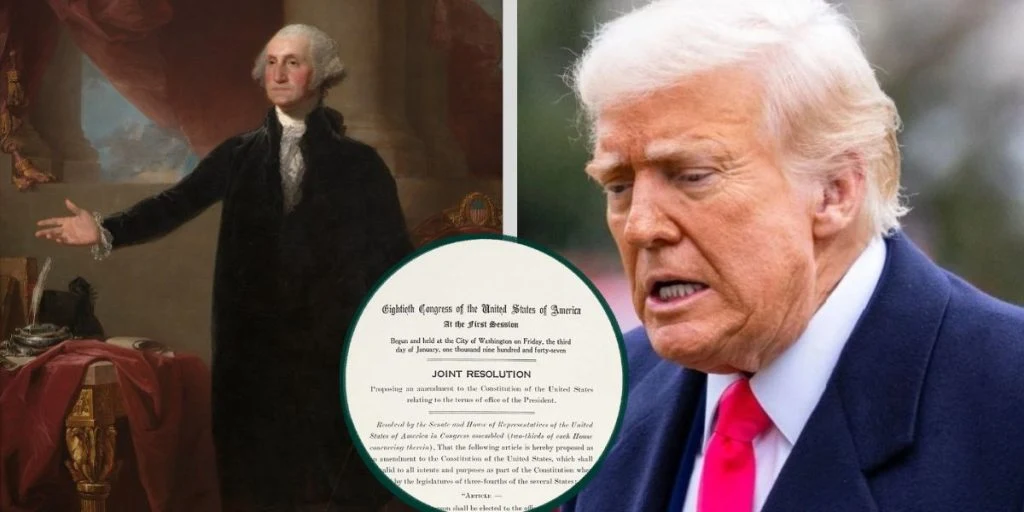
When someone holds the most powerful job in the world, giving it up voluntarily feels completely unnatural. Most people would cling to that authority forever. Yet modern democracies rely on leaders eventually packing their bags, even though the rule forcing them out the door was not always written down.


George Washington walked away from the American presidency in 1797. He could have stayed in the job for life, and many politicians wanted him to do exactly that.
The framers of the US Constitution never agreed on a strict term limit. Instead, they assumed regular elections would act as a natural trapdoor for unpopular leaders.
Washington chose to step aside after eight years anyway, writes HistoryExtra. That single decision created an unwritten rule that held firm for over a century.
Thomas Jefferson matched the gesture when his second term ended. He worried about leaders clinging to power, noting in an 1805 letter that “the danger is that the indulgence and attachments of the people will keep a man in the chair after he becomes a dotard”.


Breaking the tradition
Every early leader respected the eight-year custom. A few later presidents tested the waters for a third run, but voters quickly pushed them back.
Franklin D Roosevelt saw a nation in crisis. He decided he was the only man who could provide a steady hand through the economic and global chaos.
He ran for a third term in 1940 and won comfortably. Four years later, with fighting raging across Europe and the Pacific, he secured a fourth victory before dying in office.
Roosevelt spent 12 years in the White House. His extended stay shattered the old gentlemanly agreement and panicked lawmakers who feared an eventual dictator.
Writing it into law
Congress moved fast after the war to turn Washington’s old habit into hard constitutional law. Republicans and conservative Democrats joined forces to pass the measure. By 1951, the 22nd Amendment was officially ratified.
It capped presidential service at two elected terms. Under the new rules, anyone taking over mid-term could serve a maximum of 10 years total.
Modern presidents from Ronald Reagan to Donald Trump have occasionally grumbled about the restriction. Second-term leaders often become lame ducks who quickly lose leverage with lawmakers. Yet despite the occasional joke about running again, nobody has ever made a serious legal attempt to scrap the amendment.
Legal experts sometimes point to wild loopholes, like a former president running for vice president. In reality, the American public considers the two-term limit a permanent boundary.



