
 Jens Asbjørn Bøgen

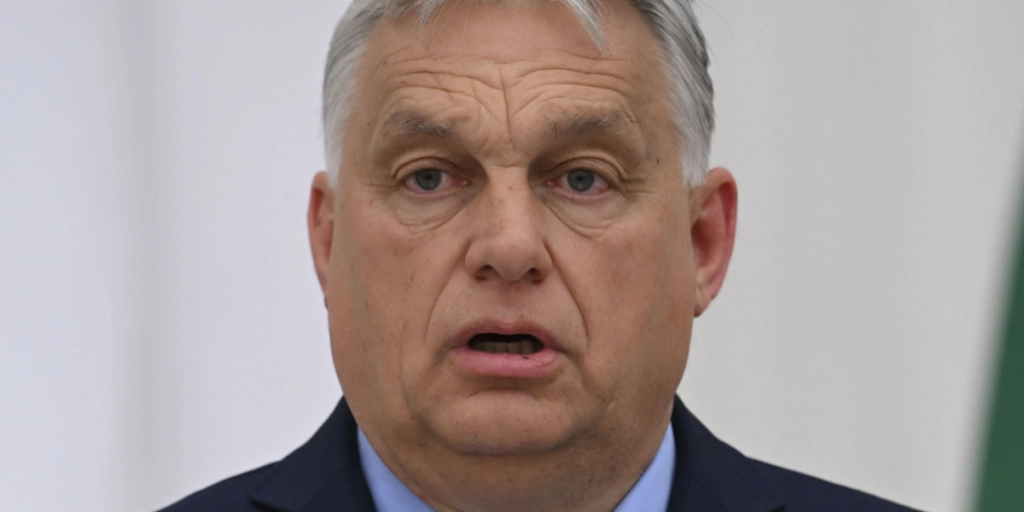
The former Hungarian prime minister was considered one of the most pro-Kremlin voices in European politics.
Fresh claims suggest former Hungarian Prime Minister Viktor Orbán cooperated with the communist secret police in his youth
According to an investigation by Hungarian journalist Szabolcs Panyi, the veteran right-wing politician allegedly wrote confidential intelligence reports on fellow conscripts during his compulsory military service.
Panyi built his report on explosive testimony from Miklós Németh, who led the country’s government from 1988 to 1990. In a formal statement dated March 2026, Németh recalled an urgent private briefing held shortly before Hungary held its first free national elections in 1990.
No physical informant reports written or signed by Orbán have been discovered or authenticated, and the testimony does not establish documentary proof that he operated as an active secret police asset.


The vanishing files
According to Németh, Defense Minister Ferenc Kárpáti handed him three handwritten, signed surveillance dispatches during that 1990 briefing. The documents tracked recruits stationed in Zalaegerszeg, detailing soldiers’ daily behavior alongside their political beliefs, private lives, and religious convictions.
Németh acknowledged that he could not verify the signatures, though he felt certain he recognized the young recruit’s handwriting. He returned the files immediately without making copies, and their whereabouts remain unknown.
Panyi’s investigation raised the possibility that the original files might now be held inside Moscow archives. Orbán’s office fired back, dismissing the claims as fabricated and reiterating that while communist counterintelligence attempted to recruit Orbán during his army service, he refused and was instead targeted for state surveillance.
Németh waited decades to come forward. Following recent legislative moves expanding access to historical records, the former prime minister transferred his written account to the State Security Historical Archives.
Trouble in New York
The timing could hardly be worse. In Washington, Donald Trump’s administration is actively lobbying to make Orbán the next UN secretary-general, counting on Russia and China to support the bid.
Several European governments have already signaled firm opposition. In Kyiv, Ukrainian officials greeted the prospective nomination with open mockery, pointing directly to his long record of vetoing crucial decisions within the European Union.
With any credible UN leadership bid dependent on Security Council consensus and broad diplomatic support, unresolved claims regarding army barracks dossiers from four decades ago could further complicate those international prospects.



