
 Daniel Wolfram

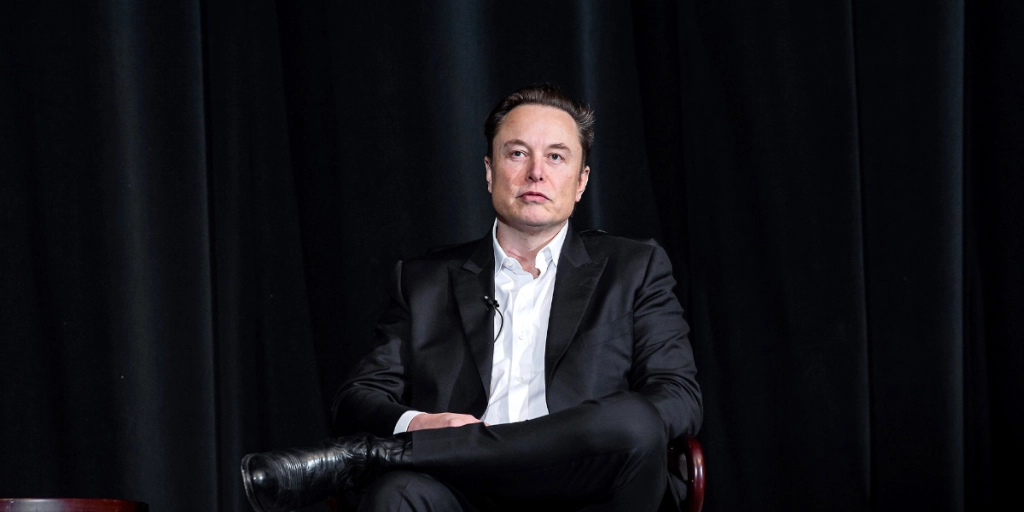
A statewide blowout in Texas proves the tech mogul is far better at burning cash than buying elections.
It has now been almost a week since the Republican Party and Donald Trump were handed one of the worst losses in modern American politics.
However, a close runner-up for that questionable honor is tech billionaire Elon Musk.
He poured nearly $500 million into GOP candidates around the country, especially in Texas, where he resides. But according to an expert in finance and how it relates to politics, that was one of the dumbest moves.
A huge misfire by Musk
According to economist Justin Wolfers, the billionaire poured a record $474 million into the cycle, only to watch most of his candidates lose in states Republicans never lose.


The bulk of that cash flowed straight into Texas. Musk directed over $200 million toward backing Texas Attorney General Ken Paxton in his run for the Senate. It was not enough. Democrat James Talarico crushed Paxton anyway, winning the seat by 12 points.
Wolfers broke down the disaster on social media. In a video posted to X, he observed that “Musk spent $200 million+ trying to win one Senate seat in Texas.” Smarter spending could have changed everything.
Click to display external content from x,
- You can always enable and disable third-party content.

You agree to display external third-party content. Personal data may be sent to the provider of the content and other third-party services.
Writing in his Platypus Economics newsletter, Wolfers said Texas “is a terrible place to try to buy a Senate seat. Texas is huge.”
He estimated that roughly $1,000 in campaign spending changes one vote. By that math, the billionaire shifted the race by a meager four points, nowhere near enough to erase the gap.
Musk misused his money
Instead, Wolfers argues that Elon Musk could have used the same money in five battleground states like South Carolina and Maine and helped the GOP hold its majority. That would have required flipping only about 124,000 voters across the entire country.
Wolfers noted, “Spread across the close races instead, roughly $130 million might have kept the whole Senate Republican.” The chamber was easily within reach. When looking at what it would have taken to protect the majority, he added, “The answer is it would have cost about $130 million.”
Wolfers called the idea “a little bit contrived,” since donors rarely know the exact tipping points ahead of time. But he insisted the core arithmetic holds. Controlling the Senate costs hundreds of millions, while the policy payoff for a mega-donor can reach tens or hundreds of billions.
Musk’s companies depend heavily on federal regulations and subsidies. That makes the mistake even more glaring. Yet, according to Wolfers, Musk was “dumb enough” to sink that fortune “behind a bad candidate.”



