
 Daniel Wolfram

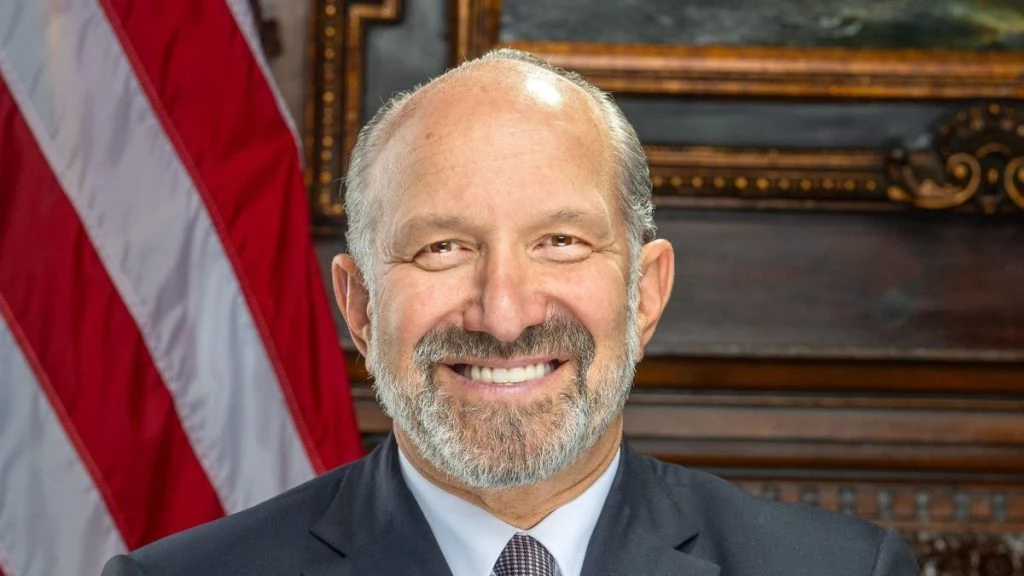
Axios reports the Commerce chief blocks enforcement despite Trump approving the limits three times.

On Thursday, President Donald Trump moved to stop companies suspected of selling Nvidia’s advanced AI chips to China. Before deciding, he called tech advisor Elon Musk, who backed the restrictions.
However, Commerce Secretary Howard Lutnick quickly tried to stall, according to an Axios report. Right after Trump declared, “Let’s get it done,” Lutnick stepped outside and told colleagues, “I’ll develop some options and come back,” the sources said.
That pushback followed a familiar script. Trump had already approved action against suspected chip smugglers in May and August, yet the curbs still have not happened.
Calling Lutnick’s bluff
Hours earlier, top officials met in the Situation Room amid the Chinese spy scandal involving Trump’s ally, Nvidia CEO Jensen Huang, and a woman he was having an affair with named Alice Huang. She was apparently working for the Chinese government while representing the company Megaspeed.


Treasury Secretary Scott Bessent pressed Lutnick on why his agency kept delaying export limits on Megaspeed, the firm at the center of the spy case.
Defense Secretary Pete Hegseth, Trade Representative Jamieson Greer, and Secretary of State Marco Rubio backed Bessent, the report noted. Cornered, Lutnick muttered, “I need to check with the president.”
Officials knew Lutnick had previously changed Trump’s mind in private talks. So one person in the room called his bluff and asked, “Great. Why don’t we do it today?”
The group soon went to talk to Trump in the Oval Office. Here, Lutnick warned the curbs “will start a trade war with China,” though Commerce spokesperson Kristen Eichamer later denied Bessent confronted him.
Concerns over spy allegations
Tensions over Megaspeed date back to May, when a classified memo warned Trump about Nvidia CEO Jensen Huang’s ties to Megaspeed worker Alice Huang. US intelligence suspects she is a Chinese agent.
Soon after, Bessent, Hegseth, and intelligence chief Jay Clayton urged Lutnick and Commerce Undersecretary Jeffrey Kessler to act. One source told reporters that officials pressed them to move forward, “and they were refusing.”
Jensen Huang has argued that selling older H200 chips keeps China dependent on US tech, a pitch Trump backed with a 25 percent tariff deal. Now, the White House faces a test over who is really in charge of export policy toward China.



