
 Kenneth Glad

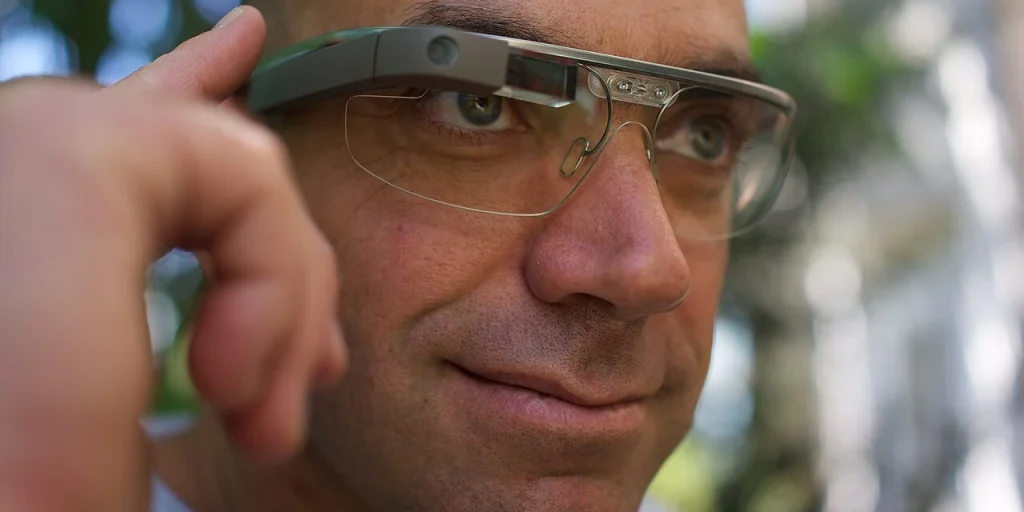
Tech companies have tried for years to put computers on our faces. Most attempts felt heavy or made everyone nearby nervous. Now, a massive new partnership hopes to finally make digital frames feel entirely normal.


Google and Samsung have finally released their highly anticipated smart glasses. Powered by the new Android XR platform, the Intelligent Eyewear marks a serious push to weave artificial intelligence into daily life.
Instead of building chunky hardware, the tech firms teamed up with fashion brands. Warby Parker and Gentle Monster designed the actual frames.
Warby Parker models start at $395. The Gentle Monster versions cost at least $449. Both lineups officially hit retail stores on December 10, according to WIRED.
Voice in your ear
These glasses do not project a screen. They rely entirely on voice commands and audio. Users can listen to music, take phone calls, or ask questions on the go.


Google’s AI assistant, Gemini, powers the system. The software translates languages in real time and identifies objects through a built-in camera.
Juston Payne, Google’s senior director of product management for XR, told WIRED that introducing a new wake word was a deliberate choice.
“We felt that these are a Gemini-forward device,” Payne said. “It’s really you and Gemini going through your day together, so it was feeling a little dissonant for us. You’re not talking to Google, you’re talking to Gemini.”
Learning from mistakes
Privacy remains a massive hurdle for wearable cameras. Google faced fierce backlash over a decade ago with its original Glass project. The company insists it will not repeat those errors.
“We learned through Glass that you can make people uncomfortable if you’re not clearly communicating,” Payne told WIRED.
To ease worries, a bright LED light turns on when the camera records. If someone blocks that light, the camera shuts down. Google says it will not use these visuals to train AI models or target ads.
The everyday approach
Weighing just 41 grams, the frames look almost identical to standard prescription glasses. A single charge provides roughly nine hours of battery life, and the included case holds seven extra charges.
Warby Parker co-CEO Dave Gilboa thinks leaning into traditional eyewear is the winning formula. He noted that glasses are familiar tools people already understand.
“These are the original wearables that have been around for hundreds of years,” he told WIRED. He added that retail stores will offer eye exams and hands-on demos to make the buying process completely seamless.



