
 Asger Risom

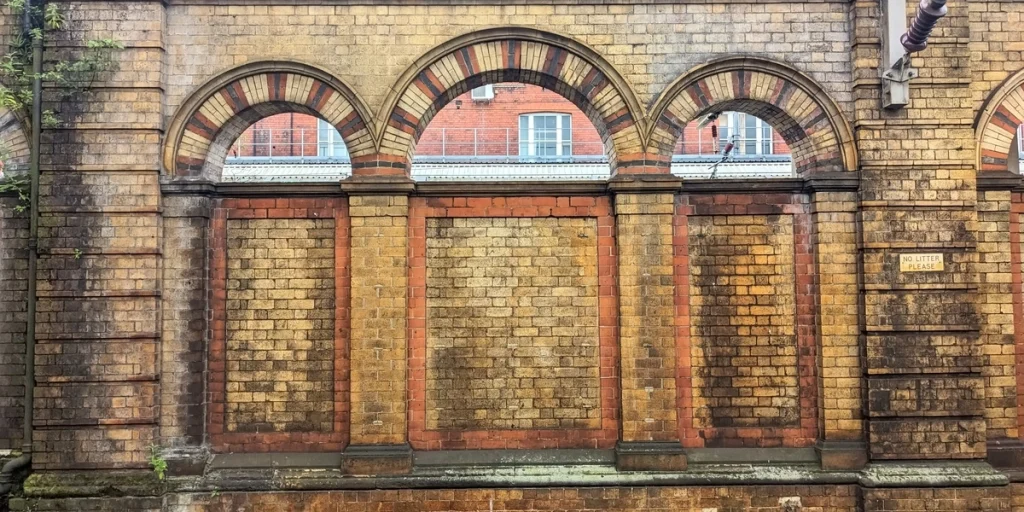
A 1696 British property tax that charged homeowners based on how many windows they had prompted landlords to brick up openings for over 150 years, leaving behind thousands of walled-off window shapes that still dot older streets today.


Stroll down a quiet terrace street in an older British town and you’ll spot a curious architectural quirk: neat, rectangular patches of brick sitting right where glass windows belong. They look like sloppy renovations or botched extensions, yet they turn up across thousands of Georgian and Victorian buildings. Those blank squares are leftovers from a 1696 property tax that charged homeowners by counting their windows—prompting landlords to wall up daylight and fresh air for over a century.
How counting panes became a proxy for wealth
In the late seventeenth century, the English government needed fresh revenue to fund public expenses and replace clipped silver coinage without triggering a rebellion over direct income checks. Lawmakers settled on a property levy tied to the number of windows in a house, operating on a simple assumption: bigger, grander homes had more windows, and poorer households had fewer. Homes below a low threshold were exempt or faced smaller charges, while larger properties paid a base fee plus an extra amount per window once the count climbed higher.
As UK Parliament records show, the tax didn’t distinguish between a grand ballroom bay window and a tiny square opening letting air into a larder. Every opening counted toward the tally when assessors came around to log the property. For landlords renting out rows of terraced houses, every extra window on a facade became a recurring bill that ate straight into rental profit.
At the time, tax collectors had no polite way to estimate someone’s bank balance without invading privacy or sparking fierce pushback. Counting windows looked neat and objective on paper because taxmen could stand outside in the street and tally openings. Unfortunately, tying a tax bill to a physical feature you can brick shut practically invites people to grab a trowel.


Brick by brick to beat the taxman
Once landlords realized that fewer windows meant a smaller bill, bricking up existing openings became a straightforward business calculation. If a house had ten windows and bricking up three of them trimmed the annual charge enough to beat the masonry cost, the bricks went in. Sometimes builders didn’t even bother knocking out old frames first; they just filled the recess with matching brick or stone so the outline stayed visible.
Speculative builders putting up new rows of housing often skipped windows altogether in hallways, stairwells, and closets. You can still see that logic on older townhouses where a narrow dark corridor sits behind a blank wall while the front parlor keeps its tall glass. It wasn’t always dramatic or desperate—often it was just cold math by property owners protecting their margins.
Even when rates shifted or new tiers were added over the decades, the habit stuck around in British building culture. A landlord buying an older property might brick up spare openings right away rather than pay extra for rooms that didn’t strictly need natural light. Over time, those walled-off rectangles became part of the streetscape itself.
Dark rooms, stale air, and a public health reckoning
Shuttering windows didn’t just save money; it changed what life felt like inside British homes, especially in crowded urban neighborhoods. Natural daylight dropped sharply in rooms with blocked openings, forcing families to rely longer on candles or lamps when those were affordable. Worse still, sealing off openings cut down airflow in cramped dwellings where people cooked, slept, and worked in tight quarters.
By the nineteenth century, rapid industrialization packed millions of people into growing cities, and poor housing conditions became impossible to ignore. Reformers and doctors pointed out that dark, poorly ventilated rooms went hand in hand with dampness and contagious illness. Taxing daylight in overcrowded districts started looking less like clever fiscal policy and more like a public health hazard.
Public pressure mounted until Parliament finally repealed the window tax in 1851, replacing it with a tax based on the annual rental value of a property. Repealing the law stopped new tax-driven brickings, though it didn’t automatically unbrick houses that had already been sealed. Removing brick and plaster takes time and money, so thousands of blind windows stayed right where they were.
Reading old walls like a history book
Today, those bricked-up windows are mostly charming curiosities that give older British streets extra character. If you look closely at the mortar, brick color, or stone lintel above a blank patch, you can often spot the exact rectangular ghost of an old frame. Sometimes a modern renovation reopens one to bring light into a kitchen or bathroom, while other times the masonry stays put for generations.
They’re also a neat reminder of how tax rules reshape everyday physical design in ways lawmakers never quite picture. A policy aimed at raising revenue from big houses ended up leaving visual fingerprints on ordinary townhouses and terraced rows across Britain. Every time you spot a window-shaped patch of brick on an old wall, you’re looking at a century-old argument between a homeowner and a tax bill.



