
 Asger Risom

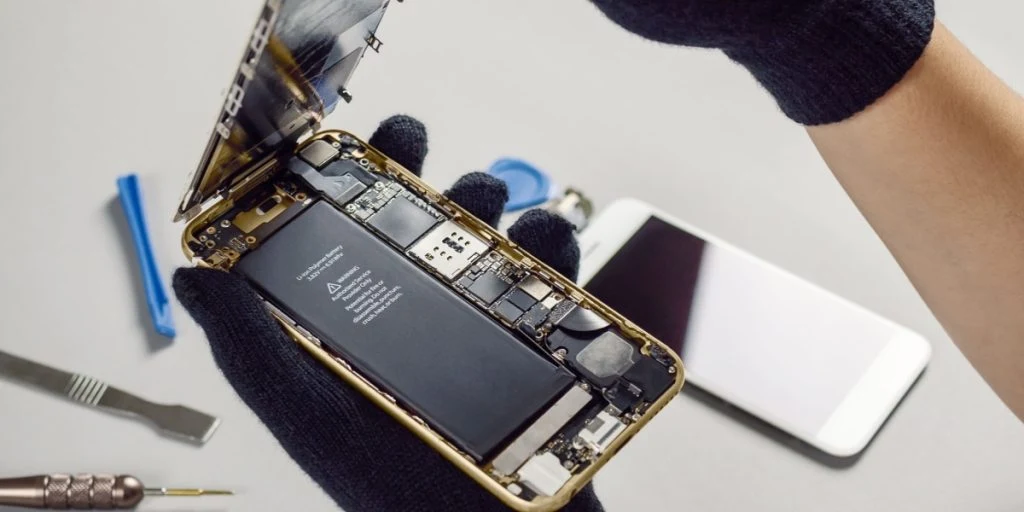
“Refurbished” can mean a factory rebuild with a fresh battery or a minimal third-party wipe-down, so seller reputation, battery wear, and warranty coverage matter most.


A refurbished phone or laptop with a big discount looks tempting when new prices keep climbing. The catch is that “refurbished” is not a single standard—it can mean a factory rebuild with fresh parts or a quick wipe-down by a reseller. Knowing who did the work and what backs the sale is what separates a smart buy from an expensive headache.
Factory rebuilds versus third-party flips
When a manufacturer refurbishes a device, technicians typically inspect it, swap worn outer parts and batteries, and run full diagnostics. You also usually get a warranty backing that work, which makes the experience much closer to buying new. As Fast Company notes, buying certified refurbished gear can save substantial money without giving up performance when you pick a trustworthy source.
Third-party refurbishers vary widely, from careful specialists to sellers that barely test a returned gadget beyond a factory reset. Some put in low-grade replacement screens or leave an aging battery inside that struggles to hold a charge. Without clear testing details, two similarly priced listings can have very different lifespans ahead of them.
Battery wear and update clocks matter most
On phones, tablets, and laptops, a worn battery is often the first thing that makes a used device feel frustrating. A cell that has already been through hundreds of charge cycles will not last as long away from an outlet, even if the shell looks spotless. Clear return windows and warranty terms protect you if battery life disappoints once you start using it daily.


Software support is just as important as physical condition, especially on devices that hold banking apps and personal data. Buying a steep discount on an older model that is nearing the end of security updates can cut its useful life short. A slightly newer refurbished model often stretches your money further over two or three years.
Smart habits before you click buy
Stick to reputable sellers with clear condition grading, straightforward returns, and real warranty coverage in case a defect shows up later. Compare the refurbished price against sales on newer or current-generation models, since discounts sometimes narrow the gap. Checking how long the manufacturer still supports the model with updates helps you buy for the long run.
Once the device arrives, test the charging port, speakers, cameras, and battery health right away while your return window is open. Spending twenty minutes on normal daily tasks catches problems while they are still easy to swap out. Done right, buying refurbished saves real money without forcing you to settle for junk.



