
 Asger Risom

Induction cooktops use magnetic fields to heat compatible metal cookware directly, boiling water faster and wasting less heat into the room than gas or standard electric coils.

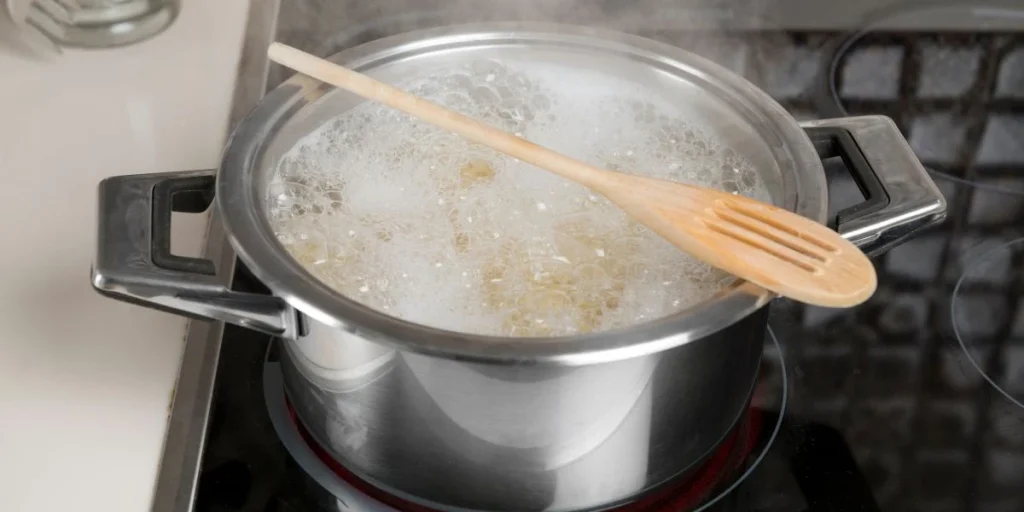
Watching a pot of water hit a rolling boil in minutes feels like cheating basic stove physics. Instead of blasting a flame around the sides of a pot or waiting for a coil to glow hot, induction warms the cookware directly. That direct heat transfer is why induction boils faster and leaves your kitchen cooler than a traditional burner.
Magnets turn your pan into the heater
Underneath the smooth glass of an induction cooktop sits a copper coil carrying an alternating electric current. That current generates a shifting magnetic field that passes right through the glass and stirs up tiny electric currents inside compatible metal cookware. As Yale Appliance explains, putting energy directly into the pan makes induction faster at high heat, lower at gentle simmers, and cooler in the kitchen than gas.
Because heat starts inside the pan’s base, less warmth escapes into the room and water heats up quickly. You also get fast temperature changes when you turn the setting down, since the pan stops getting extra magnetic energy right away. The glass mostly warms up from heat transferring back down from the pan rather than from a glowing element underneath.
Why your cookware has to pass the magnet test
Induction relies on magnetic induction, so your pots and pans need magnetic metal—like cast iron or magnetic stainless steel—in their base to heat properly. Aluminum, copper, and glass cookware will not heat on their own unless they have a magnetic steel plate bonded to the bottom. Testing your existing pans with a kitchen magnet is step one before shopping for an induction unit.


Even among magnetic pans, a warped or uneven bottom can buzz or heat unevenly if it does not sit flat against the glass. Heavy, flat-bottomed skillets and Dutch ovens tend to perform smoothly and hold steady heat for searing or simmering. Buying a stove without checking your pots can leave favorite pans sitting unused.
What to check before switching cooktops
Check your existing pots and pans with a magnet first so you know whether you need to budget for new cookware. You also need to check your kitchen’s electrical setup, since full-size ranges require proper circuit capacity while single-burner units plug into standard outlets. A portable countertop burner is a low-commitment way to try the feel before making a bigger remodel choice.
Pay attention to how smoothly the controls adjust low heat, since melting chocolate or keeping sauce gentle tests fine control just as much as boiling pasta. Smooth glass wipes clean easily after spills, though sliding heavy cast iron across it carelessly can scratch the surface. Once you match magnetic pans to the burner, everyday cooking gets noticeably quicker.



