
 Redaktion
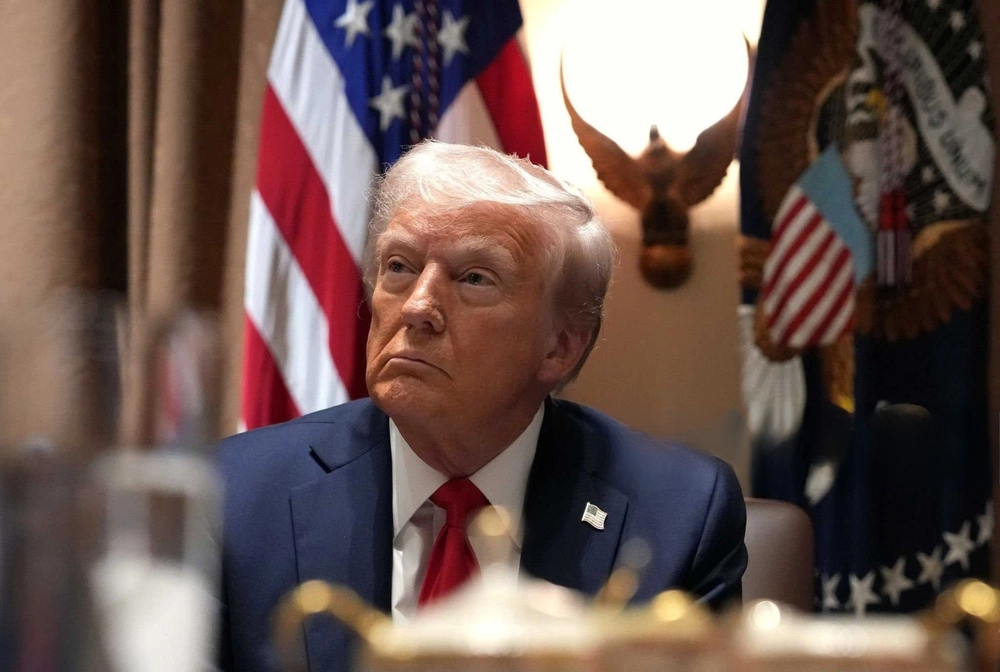
An overview of the new trade measures designed to protect American jobs and industries.


An in-depth look at the new trade measures designed by the white house to rebalance U.S. trade, protect American jobs, and restore fair economic practices.
Here we cover the introduction of a 10% base tariff on all imports, the additional higher tariffs imposed on other countries, the specific exemptions for critical industries, and the timeline for when these measures take effect.
Policy Overview


-
President Trump has declared a national emergency due to long-term trade imbalances.
-
Tariffs are being imposed under the International Emergency Economic Powers Act (IEEPA).
-
The goal: restore fair trade and strengthen U.S. economic security.
Base 10% Tariff

-
Who: All countries
-
When: Effective April 5, 2025, at 12:01 a.m. EDT
-
What: A uniform 10% tariff on imported goods (with some exemptions).
Higher Tariffs for Key Countries
-
Who: Countries with which the U.S. has the largest trade deficits
-
When: Effective April 9, 2025, at 12:01 a.m. EDT
-
What: An individualized, higher tariff above the 10% base rate.
-
Other countries will continue to face the 10% tariff.
Exemptions from Tariffs
Certain goods are not subject to the new tariffs, including:
-
Items covered under 50 USC 1702(b)
-
Steel, aluminum, and autos/auto parts already under Section 232 tariffs
-
Copper, pharmaceuticals, semiconductors, and lumber
-
Bullion and some energy products/minerals not produced in the U.S.
Special Provisions for Canada and Mexico
-
USMCA-Compliant Goods: 0% tariff
-
Non-USMCA-Compliant Goods: 25% tariff
-
Non-USMCA Energy & Potash: 10% tariff
-
If existing orders are terminated, non-USMCA goods may be subject to a 12% tariff.
Modification Authority
President Trump’s order allows for adjustments:
-
Increase tariffs: If trading partners retaliate.
-
Decrease tariffs: If partners take significant steps to remedy unfair trade practices.
Timeline Summary

April 5, 2025, 12:01 a.m. EDT:
-
10% base tariff on all imported goods begins.
April 9, 2025, 12:01 a.m. EDT:
-
Higher tariffs kick in for countries with large trade deficits.
Objectives of the Tariff Policy
Protect American Jobs: Shield domestic industries from unfair competition.
Rebalance Trade: Address persistent trade deficits.
Promote Fair Trade: Encourage reciprocal trade practices worldwide.
Enhance National Security: Secure critical supply chains and boost domestic manufacturing.
What This Means for the U.S.

-
A more balanced trading relationship with foreign countries.
-
Incentives for reshoring manufacturing and growing the U.S. economy.
-
A commitment to treating U.S. trade partners the way we want to be treated: fairly and reciprocally.
Source: The White House



