
 Kenneth Glad
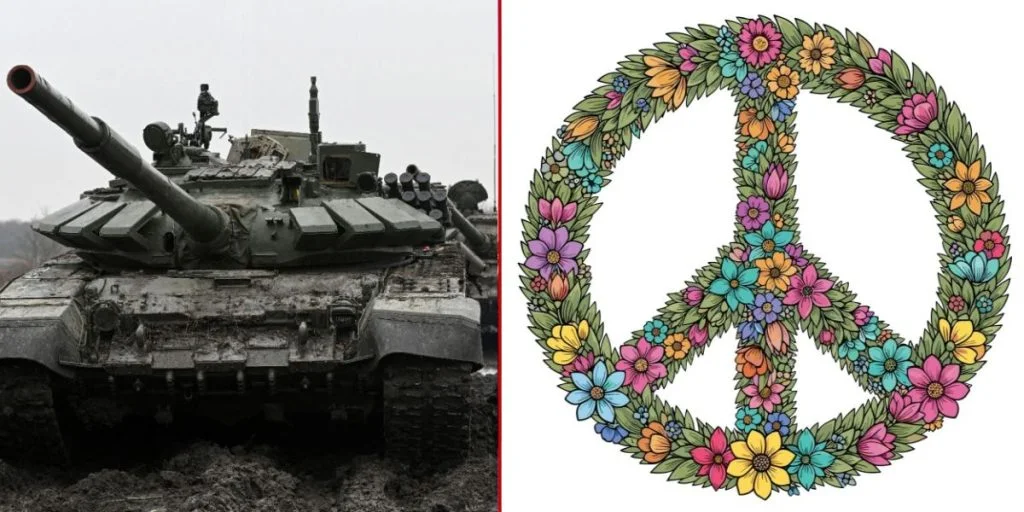
As Kyiv faces mounting diplomatic pressure and ongoing battlefield realities, proposals for elections and a peace referendum are stirring fresh debate. Supporters see democratic renewal; critics warn of unintended strategic consequences.


The idea has intuitive appeal: Renew democratic legitimacy through presidential elections and allow citizens to endorse—or reject—a negotiated peace with Russia. Yet Ukraine remains under martial law, with active combat along several fronts and continued missile and drone strikes nationwide.
The constitution prohibits elections during martial law, a safeguard introduced to preserve state stability during wartime. That alone would be contentious.
The debate resurfaced amid diplomatic maneuvering. Officials told the Financial Times that Ukrainian and European sources had suggested President Volodymyr Zelensky might announce a framework for elections and a peace referendum on February 24, four years after Russia’s full-scale invasion—claims Zelensky later denied.
The newspaper referenced U.S. pressure for visible progress toward a deal, including discussion of a possible June deadline.


It is in this context that The Conversation argues that holding elections and a referendum now could risk prolonging the war rather than ending it.
Logistical feasibility and exposure to interference
The first barrier is practical. Millions of Ukrainians are internally displaced or living abroad as refugees. Hundreds of thousands serve in the armed forces. Others remain in Russian-occupied territories. Organizing secure polling stations, absentee voting mechanisms and independent monitoring under such conditions would be extraordinarily complex.
Digi24 relays the concern that even a temporary ceasefire – necessary for campaigning and voting – could create new vulnerabilities. Disinformation campaigns, cyber interference or covert influence operations would be likely: “The prospects of organizing any vote… appear more than daunting.”
Historical precedent underscores the difficulty. While some democracies have held elections during wartime – the United Kingdom in 1945 and the United States in 1864 – those votes occurred under far more consolidated territorial control and without the scale of digital interference now possible.
Political viability: deal first, approval second
According to The Conversation, a second challenge lies in substance. There is currently no realistic peace framework that bridges core disagreements over territory and security guarantees without crossing red lines on either side. Without a viable text, a referendum would amount to voting on ambiguity.
Even if a compromise were signed, public endorsement would not be guaranteed. Polling in Ukraine throughout the war has consistently shown strong resistance to territorial concessions, suggesting any agreement perceived as overly compromising could face stiff opposition.
And what if voters reject it? The analysis warns that a “no” vote could derail negotiations entirely or destabilize a fragile ceasefire. The collapse of the Minsk agreements serves as a reminder of how partial settlements can unravel when political and military realities diverge.
Europe’s role in durability
Digi24 emphasizes that Europe’s participation would be essential to any sustainable agreement. European states would likely underwrite reconstruction, maintain sanctions and help enforce security guarantees.
The Conversation writes that sidelining Europe would weaken the durability of a deal from the outset.
Recent diplomatic outreach—such as French engagement with Moscow and discussions within the EU about appointing a special representative—signals awareness of this dynamic.
Still, it remains uncertain whether Washington and Moscow would formally integrate Brussels into decisive negotiations.
Trust and enforcement
Finally, The Conversation’s analysis questions whether Moscow would honor even favorable terms, while Digi24 holds the concern that enforcement mechanisms, not signatures, ultimately determine whether peace holds. In an environment of shifting geopolitical incentives, compliance cannot be assumed.
While elections and a referendum may carry democratic symbolism, timing and enforceability matter more than optics.
Without a credible agreement, broad international alignment and mechanisms capable of guaranteeing compliance, a rushed vote could introduce new instability into an already volatile conflict.
Sources: Digi24; The Conversation; Financial Times.



