
 Anna Hartz
New cat species discovered in Bolivia after a century

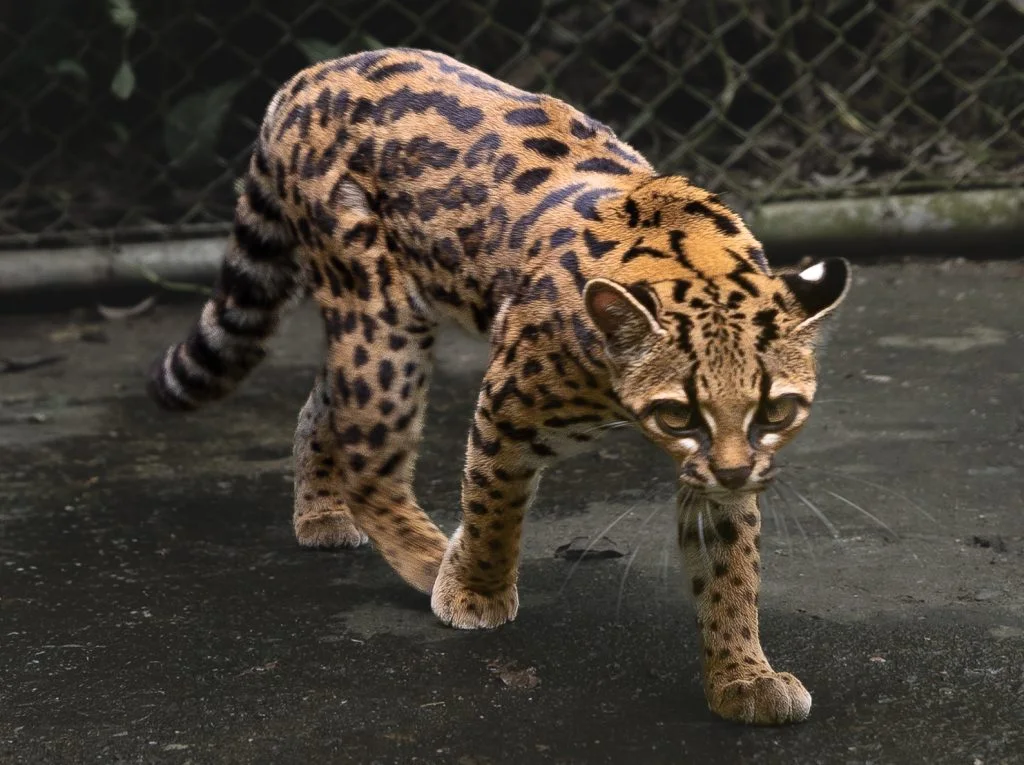
At first glance, the small spotted animal could easily be mistaken for a miniature leopard. But this cat is much smaller, and scientists believe it may even sound more like a house cat when it makes a noise.
First new cat species discovered in 100 years
Researchers in Bolivia have identified a completely new cat species after carrying out extensive DNA tests, according to Videnskab. The animal has been given the scientific name Leopardus tilcayo. The discovery is considered particularly unusual because researchers say it is the first new cat species to be identified in about 100 years.
The new species belongs to a group of small wild cats known as tiger cats, which are found across South America. However, genetic tests show that this animal is different from the other known tiger cats. It has developed as a separate branch of the cat family tree.
Researchers estimate that it has been separated from its closest relatives for around 1.4 million years. That is roughly the same evolutionary period as the modern lion and the now extinct cave lion.


The discovery began in 2016, when a man in Bolivia thought he had found a domestic kitten. He took the animal home and fed it eggs, noodles and rice. It soon became clear that the animal was not as tame as he had expected, so he gave it to a local animal sanctuary.
A strange-looking “cat”
Paola Nogales-Ascarrunz, the lead researcher behind the study, was later contacted by the sanctuary. Staff told her they had received a strange-looking cat.
She became fascinated by the animal and took hundreds of photographs.
The cat has a small, compact face, short rounded ears and long whiskers. Its body is covered in spots that give it a leopard-like appearance. It measures about 45 centimetres from its head to the start of its tail and weighs only around 1.4 kilograms. That makes it smaller than an average domestic cat.
The animal was found in Bolivia’s Yungas forest, east of the Andes. Scientists still know very little about the species. They do not yet know what it eats, what animals may prey on it or how it reproduces.
Many other questions also remain unanswered. As Nogales-Ascarrunz put it, there are still many basic things scientists do not know about this newly identified cat.



