
 Asger Risom
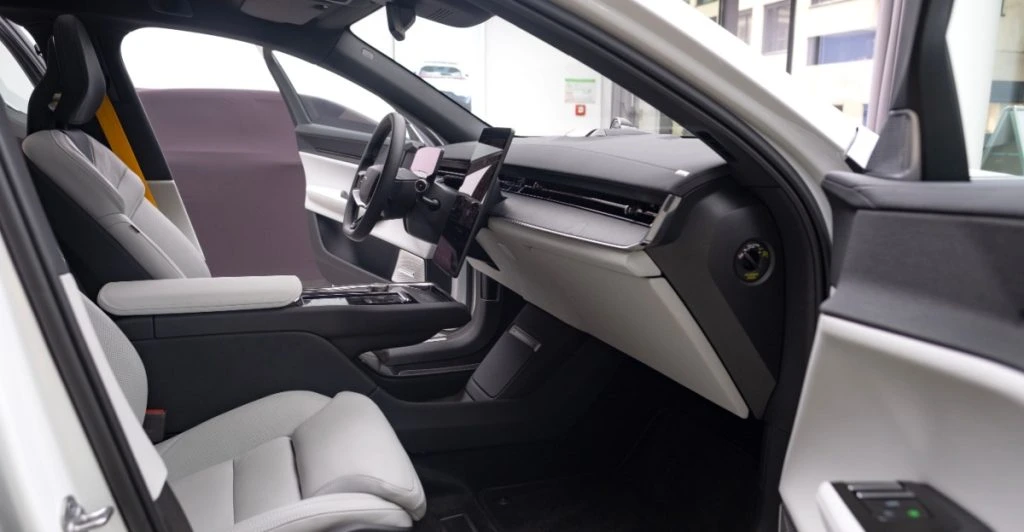
Legacy automakers are keeping gas-era start buttons in their electric cars as a psychological security blanket for drivers making the transition away from combustion engines.


When you get behind the wheel of a modern electric vehicle, the very first thing you do in many models is completely unnecessary. Legacy automakers are still building physical start buttons into electric dashboards, even though there is no internal combustion engine under the hood. According to reporting from InsideEVs, these buttons are leftover hardware from the gas era that merely shift a silent electric drivetrain from standby to ready.
Tesla abandoned the traditional ignition sequence over a decade ago with the Model S, designing a system where the car simply powers up the moment you step on the brake pedal. Tech-forward brands like Rivian, Lucid, and Polestar followed that smartphone-style approach, allowing their vehicles to boot up and shut down automatically based on driver proximity. However, legacy heavyweights like Hyundai and Toyota are intentionally keeping the manual power button to avoid alienating drivers making the leap from gas-powered cars.
Market analysts note that the start button functions primarily as a psychological bridge between gas engines and electric motors. First-time EV buyers often feel deeply unsettled when they cannot manually verify that a silent electric vehicle has powered down before walking away. For traditional car companies, preserving that familiar mechanical interaction helps smooth out the learning curve, even if it adds a redundant step to every drive.
The frustrating fight over physical controls
While tech-focused brands are eager to eliminate redundant controls, their aggressive minimalist approach often backfires. Drivers navigating touch-heavy cabins frequently complain on Reddit that buttonless cars will randomly blast the climate control and infotainment system the moment a door opens to grab a forgotten bag. Having a dedicated power button gives owners absolute control over the high-voltage battery without forcing them to dig through multiple touchscreen submenus.


This debate over which gas-era features to preserve extends far beyond the ignition switch. Brands like Porsche and Hyundai are now programming artificial gear shifts into their performance EVs, while Dodge is strapping external speakers onto its electric Charger to simulate V8 exhaust notes. These theatrical additions exist purely to make the quiet electric driving experience feel more visceral and mechanically familiar to traditional enthusiasts.
However, stripping away tactile controls in favor of software can quickly cross the line from sleek to infuriating. Tesla notoriously faced fierce consumer backlash after removing physical turn-signal stalks from the Model 3, forcing the company to reintroduce them in subsequent refreshes. Automakers are currently walking a razor-thin line between modernizing the dashboard and preserving the intuitive, physical controls that drivers rely on daily.
A slow death for the ignition switch
Despite lingering resistance from traditionalists, the manual power button is living on borrowed time. The automotive industry previously developed keyless entry and push-to-start systems specifically to eliminate unnecessary steps, and removing the button entirely is the logical next evolution. Much like the shift to facial recognition on modern smartphones, stepping into a car that is instantly ready to drive quickly becomes a feature buyers refuse to give up.
Some legacy brands are finding clever compromises to bridge this generational gap without cluttering the cabin. Volkswagen electric vehicles automatically wake up when the driver sits down, but still feature a subtle, column-mounted button for manual override capabilities. Meanwhile, software-driven brands use dedicated pet modes and touchscreen toggles to keep climate control running when stepping away for a quick errand.
Ultimately, the physical start button will join the manual choke and the tape deck as a nostalgic artifact of gas-powered engineering. As electric vehicles shift from novel tech to standard transportation, drivers will no longer need a mechanical security blanket to feel confident behind the wheel. In a few short years, pressing a button to start a car without an engine will feel like a bizarre relic of the past.



