
 Kenneth Glad
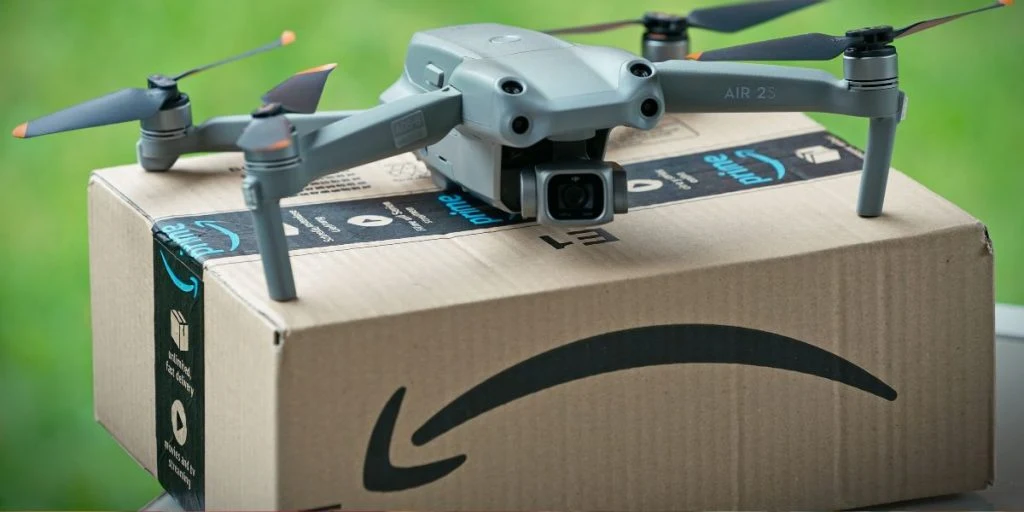
An emerging service is moving beyond limited trials as retailers compete to shorten the trip from checkout to the doorstep. Wider availability will still depend on location, aviation rules and practical operating limits.


As retailers look for ways to shorten delivery times and move smaller orders more efficiently, drone services are beginning to expand beyond limited pilot programs, writes the Daily Mail. Amazon says Prime Air will reach nearly 500 cities and towns by the end of 2026, more than six times its current footprint.
The network now operates from 11 sites across 10 metropolitan areas, giving the company a base from which to extend the service into many more suburban communities.
Eligible orders generally weigh no more than five pounds and fit inside a large shoebox. Amazon says deliveries can arrive in as little as 30 minutes, while most currently reach customers in about an hour. That makes the service best suited to relatively small purchases rather than the larger orders typically handled by vans and trucks.
Prime members pay nothing extra on qualifying orders of $50 or more. Smaller Prime purchases carry a $2.99 charge, while non-members pay $4.99, giving Amazon a relatively simple pricing model as it tests wider adoption.


More cities join soon
Chicago, Syracuse, Cleveland, Atlanta and Boise are next on Amazon’s expansion list. Each existing Prime Air site covers approximately 175 square miles, though not every address within listed ZIP codes qualifies for the service.
Amazon CEO Andy Jassy told shareholders that Prime Air plans to serve communities containing 30 million customers by year-end and expects to deliver half a billion packages by the end of the decade. The target shows how much larger Amazon expects the operation to become if its planned rollout proceeds successfully.
Forrester retail analyst Sucharita Kodali cautioned against reading the expansion as proof that drones are already a mature delivery channel. She told the Associated Press: “It’s still an experiment. It’s still in test and learn mode.”
Amazon has also taken Prime Air beyond the United States, although its international footprint remains limited. Commercial drone deliveries began in Darlington, England, in February 2026, marking the company’s first operational service outside the U.S. The company had previously planned to introduce deliveries in Italy as well, but abandoned that rollout in December 2025.
FAA rules shape growth
The Federal Aviation Administration (FAA) identifies Prime Air as a standard Part 135 operator and says the company conducts routine commercial package deliveries beyond pilots’ visual line of sight. Such approvals are important to expanding drone networks beyond tightly restricted test areas.
Amazon is expanding as Walmart develops its own airborne network. Walmart said in May that it had surpassed one million drone deliveries and was operating from 66 stores in four states, underscoring the growing competition around fast delivery.
Drones remain one element of a broader delivery system that also relies on fulfillment centers and conventional vehicles. Even with a major expansion, they are likely to complement those established networks rather than replace them.
Sources: Amazon, Associated Press, FAA, Walmart, Daily Mail



