
 Kenneth Glad
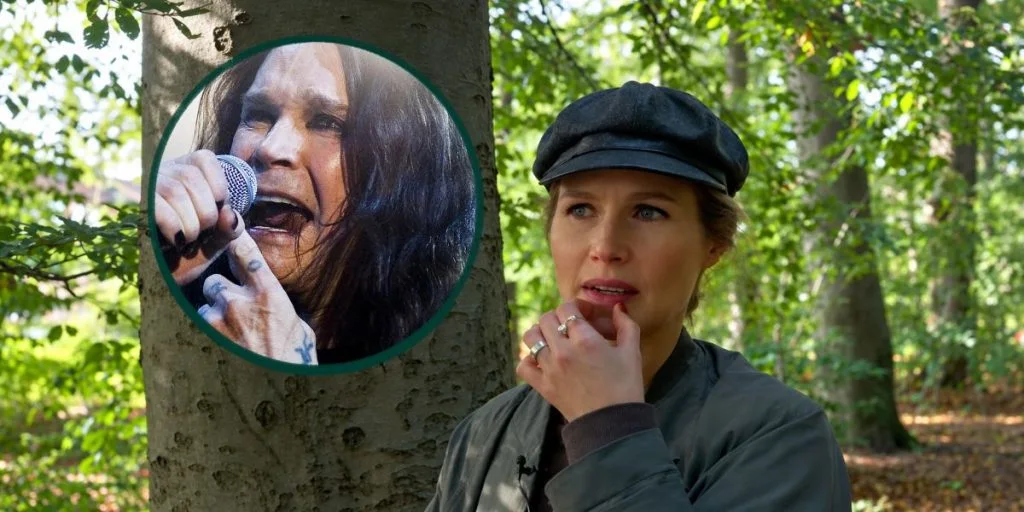
When a pop star decides to record a cover version of a classic rock anthem, the results can easily go wrong. Nina Persson took that exact risk in the 1990s, when her Swedish group decided to tackle a track by heavy metal pioneers Black Sabbath.
The Cardigans vocalist reflected on her career earlier this year during a wide-ranging interview with The Guardian. She remembered how the band decided to reformat the Black Sabbath song Sabbath Bloody Sabbath into an easy-listening lounge track, a massive departure from the original heavy guitar riffs.
She believed her female vocals brought a delightfully eerie vibe to the song, which was originally sung by Ozzy Osbourne who passed away last year at 76.
Osbourne himself eventually caught up with the Swedish pop group during a visit to Los Angeles. His reaction turned out to be the ultimate endorsement for the band.
The heavy metal icon told Persson that her smooth version was the single creepiest thing he had ever heard, which she viewed as a massive compliment coming from the legendary Prince of Darkness himself.


Making dark music
Persson opened up about the broader Swedish music scene in the 1990s, offering insight into why bands like the Cardigans, the Wannadies, and Stina Nordenstam emerged around the same time.
She credited her country’s generous cultural funding for giving young children early access to free instruments and music lessons. Persson told the newspaper that kids as young as eight received free recorders and access to instrument loans, while classic children’s TV shows were regularly scored by top jazz musicians.
This strong institutional support allowed working-class children to explore their creative potential without financial strain, laying the groundwork for Sweden’s massive pop export explosion.
Biggest win and loss
She also touched on the tragic side of her career, including her deep bond with the late Sparklehorse mastermind Mark Linkous. The pair formed a unique friendship that led to several musical collaborations, including work on her solo project A Camp.
Persson recalled learning about her long-awaited pregnancy just two days before Linkous died, calling it both her biggest win and her biggest loss at the same time. She noted that her family still keeps some of Linkous’s instruments from his widow, and her son’s middle name, Link, honors his memory.
Reflecting on her health struggles, Persson discussed her past battle with cancer around age 30. Having rarely experienced even a common cold prior to her diagnosis, facing a potentially fatal illness was a surreal shock during the peak of her music career.
While her diagnosis required surgery rather than chemotherapy, she admitted that turning 50 has brought back lingering fears that the illness could return. Living past that milestone has forced her to confront her own mortality in ways she never expected during her youthful touring years, while giving her a deeper appreciation for art and life.
Source: The Guardian



