
 Kenneth Glad
We all process the world in our own unique way, filtering a constant stream of sights, sounds, and social cues. Sometimes that internal filter operates differently, shaping everyday experiences. Now, a deep look into the human nervous system is offering fresh clues.


About three percent of eight-year-old children receive an autism diagnosis today. The condition influences everything from daily interactions to physical environments, but it rarely looks exactly the same in two people.
For decades, medical experts have tried to figure out why some individuals face severe daily hurdles while others navigate life with ease. The biological puzzle remains deeply complex.
Genetics account for eighty percent of the differences between autistic and neurotypical people, according to science site Videnskab. Even so, the exact physical mechanics have remained a mystery.
The chemical messengers
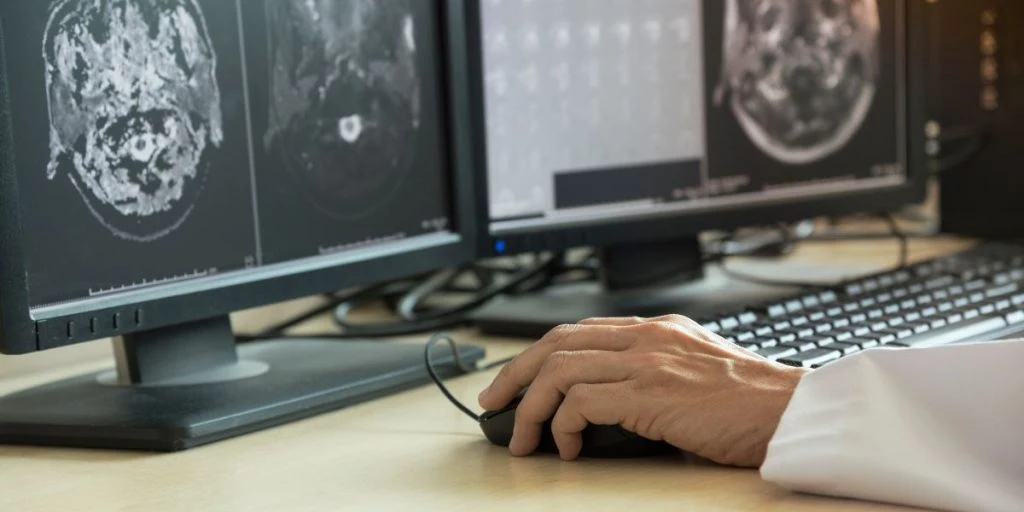
A research team from the University of Southern Denmark recently released new details about cellular communication. They mapped the brains of thirty autistic adults and thirty neurotypical adults.


Using advanced imaging technology, the researchers tracked a highly specific receiver known as the dopamine D2 receptor. This microscopic structure helps regulate mood.
The few approved medications for managing severe autistic irritation actually target these exact receivers. This matters. Videnskab notes that up to ninety percent of autistic children deal with intense daily frustration.
The new scans revealed a clear pattern. Autistic adults had significantly more of these D2 receptors in specific regions of their minds.
High energy demand
Having more receptors directly increased cellular energy consumption. The researchers found that regions crowded with D2 receptors demanded heavy amounts of glucose to keep functioning.
Any busy system requires extra fuel to handle a heavy workload. The human brain is no exception.
Behind the scenes, scientists suspect this heightened chemical activity might drastically alter communication routes inside the head. This shifted signaling could explain the unique sensory sensitivities linked to autism.
A supportive focus
Medical research is not trying to alter the core personality of an autistic individual. Current support relies mostly on educational help and simple environmental adjustments.
By understanding the underlying chemistry better, scientists hope to develop smarter ways to ease genuine struggles like severe anxiety and sleep loss. Better science might also reduce social stigma.
The discovery of these highly active dopamine receptors provides a crucial new map for future study. It marks a welcome step forward for medical science.
Sources: Videnskab, University of Southern Denmark, CDC



