
 Daniel Wolfram
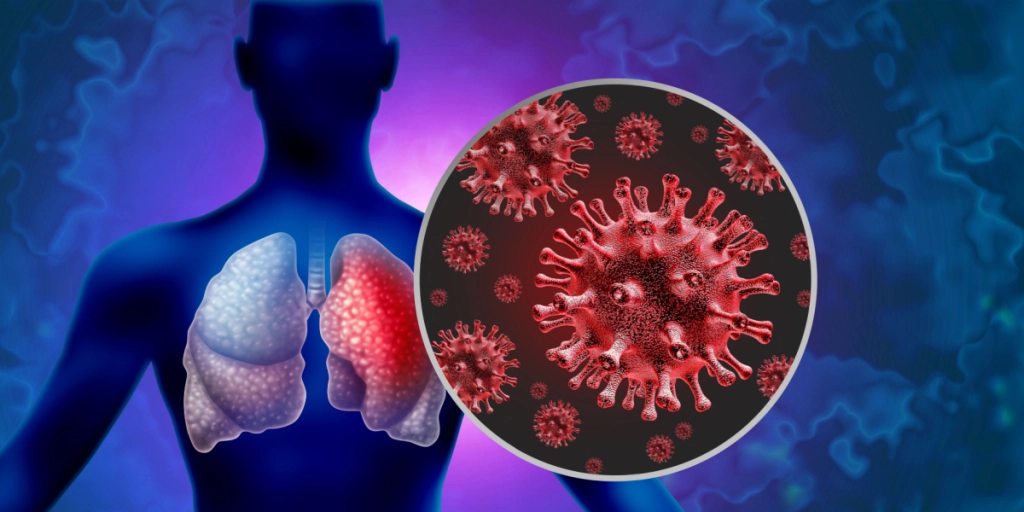
There has been a suspected case of pneumonic plague in Russia. Here is how the disease works.


A tragic death in Siberia has put a spotlight on one of the world’s most dangerous diseases. A 28-year-old researcher at a Russian anti-plague facility recently died from unexplained pneumonia.
Officials at the World Health Organization (WHO) and the US Centers for Disease Control and Prevention are tracking the situation closely.
According to CNN, a WHO spokesperson stated that “based on unofficial information available, the public health risk to the general population appears to be low.”
What is pneumonic plague?
The incident raised grave concern about pneumonic plague. It is the deadliest form of infection caused by the bacterium Yersinia pestis. Unlike other variations, this strain attacks the lungs directly with deadly force if not caught right away.


Without immediate antibiotic treatment, the disease is almost always fatal. That reality makes early detection essential.
Pneumonic plague is different from the better-known bubonic plague in several ways. According to the WHO, the bubonic plague infection is caused by the bite of an infected flea, whereas pneumonic plague is virulent.
And while the bubonic infection’s death rate is low (around 30%) even if untreated, the pneumonic version of the plague is almost always fatal if not treated within the first 24 hours. However, if the symptoms are caught and treated quickly, the plague is very treatable and the death rate is minimal.
How it spreads
What makes pneumonic plague especially dangerous is how easily it spreads. It is the only type of plague that passes directly from person to person through airborne droplets when an infected patient coughs or sneezes.
Doctors treat pneumonic plague with strong antibiotics like ciprofloxacin and gentamicin. Patients have the highest chance of surviving if they receive drugs within the first 24 hours of infection. Medical teams also provide supplemental oxygen and fluids.
Vaccines have existed since the 19th century, but scientists are unsure if they protect against airborne exposure.
Symptoms of pneumonic plague
As the name indicates, the symptoms start in the lungs and will cause severe pneumonia where breathing becomes increasingly difficult. Those symptoms will appear 24 hours after a person has been infected.
Other symptoms can also include what a person might experience during a bad case of influenza, such as fever, fatigue, vomiting, as well as headaches and body aches.
If pneumonic plague is discovered in time, doctors will usually treat the patient with antibiotics for up to two weeks. If the patient gets antibiotics within the first 24 hours, there is a high chance of survival.



