
 Kenneth Glad
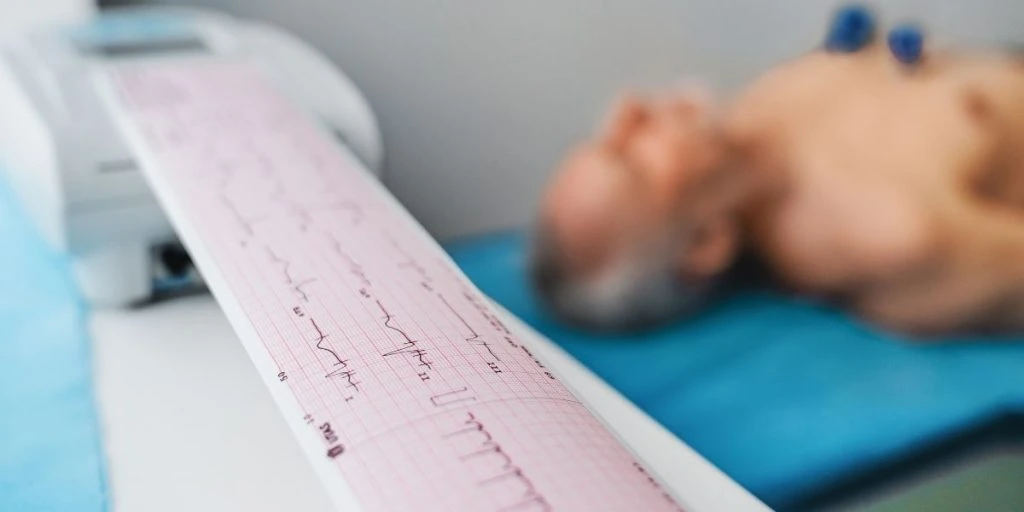
Researchers are examining whether existing hospital tests can provide doctors with more useful information. The approach is designed to highlight patients who may benefit from further investigation.


An artificial intelligence system tested on 67,000 patients in the United States identified up to 81 percent of people with heart failure and up to 90 percent of those with heart valve disease, according to The Guardian.
The British Heart Foundation funded the trial, while researchers at Imperial College London analysed the technology. The system had been trained using data from millions of patients and can process an electrocardiogram in less than two seconds.
The figures do not show that the AI can diagnose heart disease on its own. Patients flagged by the system would still need further tests, including an echocardiogram, to confirm whether they have either condition.
An ECG measures the heart’s electrical activity, including its rate and rhythm. An echocardiogram is different: it uses ultrasound to show how the heart is working and to look for structural problems.


A common test gains another purpose
About one billion ECGs are performed worldwide each year, according to The Guardian. Their widespread use means software capable of extracting additional information from them could potentially be incorporated into existing clinical routines without introducing an entirely new first-line test.
Heart failure and heart valve disease can require treatment before patients become seriously unwell, making timely identification important.
Patients flagged as high risk could be sent for an echocardiogram sooner, but the ECG result alone would not confirm a diagnosis.
Professor Fu Siong Ng of Imperial College London said patients can sometimes wait several months for heart ultrasound examinations after referral.
Unexpected cases may also emerge
The technology may have another use beyond patients already suspected of having heart disease. Hospitals could run the AI on ECGs ordered for other medical reasons and flag results that suggest a higher risk of heart failure or heart valve disease.
That means some patients could be picked up even when doctors were not originally looking for either condition. Those people could then be referred for further checks before symptoms become more serious or the disease progresses.
In that role, the system would act as a screening and triage tool rather than a diagnostic test, helping doctors decide who may need closer investigation.
Researchers have also discussed eventually building the AI into handheld ECG equipment used by healthcare professionals, which could make the technology easier to use in a wider range of clinical settings.
Sources: The Guardian



