
 Kenneth Glad
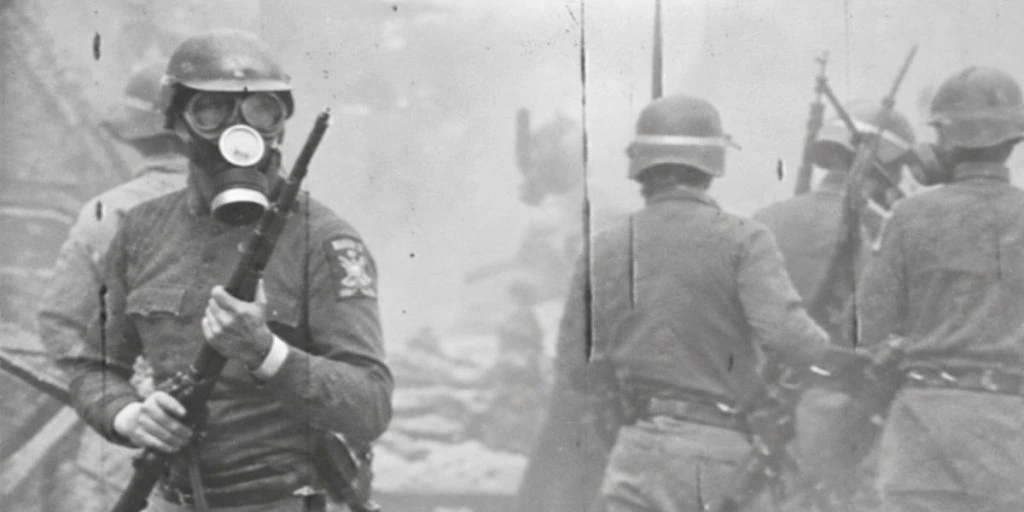
An intense confrontation within a state correctional facility ultimately leads to severe consequences and widespread devastation. The event highlights systemic issues, racial friction, and institutional breakdown during a volatile period.


Deep social divisions characterized the atmosphere within the complex at Attica prison, New York, during the late summer of 1971. A severe divide existed between the institutional staff and the incarcerated population.
The guards, drawn almost exclusively from the local rural community, were older, white, and relatively well-compensated. In stark contrast, the vast majority of the inmates were young men of color originating from urban areas like New York City, serving long sentences with negligible pay and almost no educational opportunities.
Overcrowding exacerbated these underlying frictions. Originally designed for a much smaller population, the New York state facility housed well over two thousand men by the time tensions reached a boiling point. The physical infrastructure was deteriorating, and daily routines offered minimal relief, according to HistorieNet.
A minor misunderstanding during a recreational period triggered a chain reaction. Guards misinterpreted a casual wrestling match between two inmates in one of the exercise yards. Efforts to intervene caused confusion, leading to vocal pushback from the crowd. When administrators attempted to isolate the individuals involved later that evening, resistance flared up across the cellblocks.


Chaotic clashes erupt across the cellblocks
The situation deteriorated rapidly the following morning. Rumors of retaliation against isolated prisoners circulated among the population, fueling widespread anger. During a routine movement to breakfast, a gate mechanism was compromised, allowing a group of men to bypass guard control.
An officer attempting to extract a targeted prisoner was assaulted in a hallway. The violence expanded instantly as inmates rushed toward the central intersection connecting the four main wings of the facility, known internally as Times Square. Iron gates gave way under collective force, and the command center was overrun.
During the initial surge, several staff members sustained severe injuries, including an officer named William Quinn, who suffered critical trauma. Over twelve hundred prisoners quickly took control of a major section of the facility, capturing forty guards and employees to use as leverage.
Organizing behind the iron gates
Rather than descending into complete anarchy, the revolt organized itself within D Yard of the upstate facility. Spokespersons emerged to establish order, secure basic medical assistance for injured captives, and manage essential supplies. A protective perimeter was formed around the hostages to prevent random acts of retaliation.
The captives were provided with blankets and food, while representatives prepared a list of thirty-three demands aimed at basic structural improvements. Their grievances centered on inadequate medical care, restricted communication, poor dietary standards, low compensation for work, and pervasive racial discrimination, writes HistorieNet.
To ensure public awareness, the uprising’s leadership requested a panel of outside observers. Civil rights attorneys, politicians, and journalists arrived at the New York facility to facilitate communication between the inmates and state officials. Among those summoned were legal advocate William Kunstler and reporter Tom Wicker.
Prolonged discussions fail to yield consensus
Negotiations dragged on over several days as state corrections commissioner Russell Oswald engaged with both the observers and the inmate committee. While officials showed willingness to concede to most administrative and living-condition demands, two non-negotiable points created a total deadlock.
The prisoners demanded the immediate removal of the facility’s superintendent and, most importantly, complete amnesty from criminal prosecution. The death of the injured officer, William Quinn, in a regional hospital radically elevated the legal stakes. Without amnesty, participants faced potential capital charges.
Governor Nelson Rockefeller adopted an unyielding stance, rejecting demands to personally visit the site in rural New York or grant immunity. State authorities viewed the granting of amnesty as an unacceptable compromise of the legal system. As hours passed without a breakthrough, heavily armed law enforcement officers and military units assembled outside the perimeter walls.
Violent reclamation leaves a devastating toll
On the morning of September 13, state authorities initiated a forcible takeover of the complex. Following a rainy night, military helicopters swept low over the exercise yard, deploying heavy clouds of tear gas to disorient the population.
Simultaneously, over two hundred armed personnel and sharpshooters stationed on surrounding rooftops opened fire into the obscured yard. Thousands of rounds were discharged within thirty minutes. The sudden barrage struck indiscriminately through the fog, hitting both prisoners and helpless hostages.
When ground forces stormed the area, the yard was secured through severe force. Inmates were subjected to harsh immediate reprisals, forced physical degradation, and verbal abuse during the cleanup operations. The assault resulted in thirty-nine fatalities, including ten hostages and twenty-nine inmates, alongside more than a hundred wounded individuals.
Official narrative challenged by medical facts
In the immediate aftermath, official press statements claimed that the hostages had been executed by their captors. These assertions were widely reported across national media before independent physical examinations took place.
Subsequent investigations by state medical examiners disproved the initial claims. Autopsies confirmed that every death among the hostages was caused by gunfire from the retaking forces rather than actions by the inmates. None of the captives had suffered fatal sharp-force injuries.
Subsequent legal battles spanned decades. Dozens of former prisoners faced extensive indictments, while long-running civil suits eventually exposed systemic misrepresentation by authorities. Decades later, financial settlements were finally awarded to surviving victims and their families.
Lasting impact on the correctional system
The tragic conclusion brought national attention to the conditions within institutional systems across the United States. While the human cost was immense, the event ultimately forced policy adjustments across several administrative sectors.
Partial reforms were eventually implemented regarding dietary options, access to reading materials, and medical care standards.
However, key structural requests regarding wage scales and reduced confinement time were rejected. The historical event remains a defining moment regarding state authority, prisoner rights, and administrative accountability.
Sources: HistorieNet, Britannica



