
 Kenneth Glad
Power rarely shifts hands without a violent struggle, especially in nations ruled by a single iron fist for decades. But sometimes, the greatest threat to an oppressive regime comes directly from within the ruling family itself. A shocking historical pivot shows exactly how this happened.
On a dark December night in 1979, roughly 30,000 protesters flooded the streets of a major Asian city. They carried torches and demanded the immediate release of political prisoners.
The chaotic scene unfolded in Kaohsiung, Taiwan, according to HistorieNet. Demonstrators clashed violently with heavily armed police, leaving dozens injured.
The ruling government quickly cracked down on the uprising. Authorities arrested the main organizers and sent them to a military court, handing down severe prison sentences.
But the fierce pushback sent a clear message to the top. The island’s leader realized his grip on society was slipping faster than anyone expected.


A sudden shift
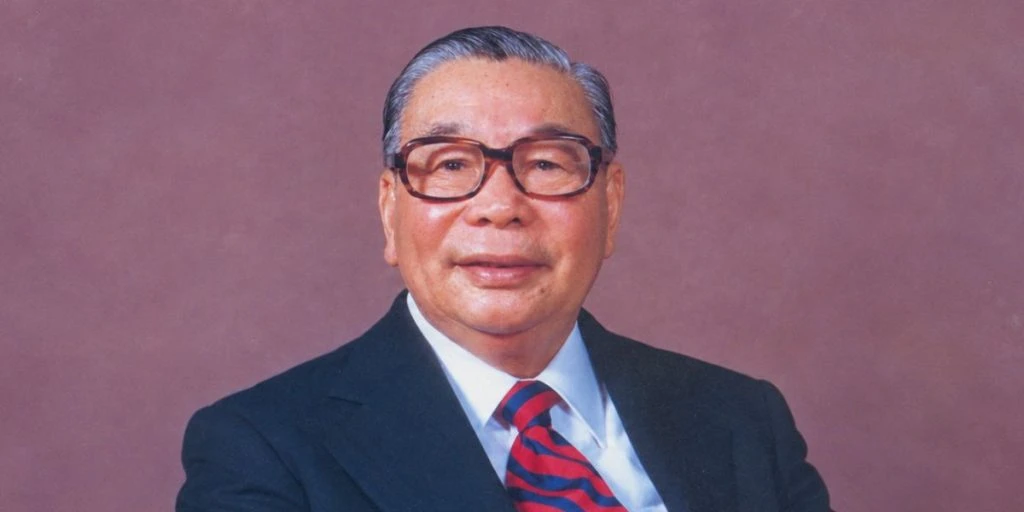
President Chiang Ching-kuo found himself cornered. His father had ruled the island as a strict dictator for decades, leaving behind a legacy of absolute control.
Global pressure was also mounting heavily against his administration. The United States had just recognized the government in Beijing, leaving the island completely isolated on the world stage.
In a 1979 interview with Time Magazine, the president said he feared a potential civil war if Beijing ever decided to invade. The combination of local anger and international abandonment forced a massive rethink.
Chiang decided to take a completely different path from his father. He stood before his party officials and announced that strengthening the foundation of democracy was their only option.
Changing the system
The new leader immediately proved he was serious about changing course. “Chiang Ching-kuo had conservative decisions in his right pocket and enlightened decisions in his left,” noted Taiwanese politician Kang Ning-hsiang.
Economic growth helped push this quiet revolution forward. As the island transitioned into a high-tech export economy, a highly educated middle class began demanding genuine civil rights.
The biggest milestone finally arrived in 1987. After nearly four decades of strict military rule, the president officially lifted martial law.
A former presidential secretary recalled the incredible energy of that historic day. He described feeling an electric shock run through his body as they rewrote history, writes HistorieNet.
Sources: HistorieNet, Time



