
 Daniel Wolfram
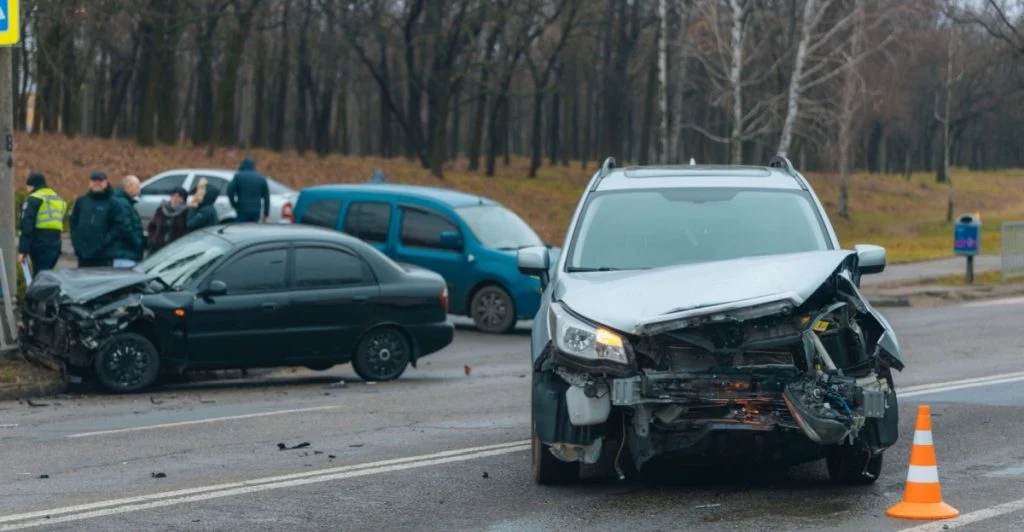
An expert is now calling for drastic measures after Australia set a new record high for fatal road traffic accidents.


Australia is at an important Y-junction on its highways. Official figures show that 1,326 people died in traffic crashes during the last 12 months. That marks five consecutive years of record fatalities.
July was especially fatal, with roughly 110 deaths recorded. That figure represents a 4.6% increase compared to the five-year July average.
Professor Stuart Newstead from the Monash University Accident Research Centre argues that cutting speed limits is the clearest solution.
Deadly roads in Australia
Many drivers believe vehicles with modern technology will protect them during high-speed crashes, but Newstead warns that safety features have limits.


“You think you can run into a tree at 100 km/h and your safe car will save you? Do you know what? It’s only tested to a regulatory 64 km/h,” he told Drive.
He explained that crashing into things above that threshold is catastrophic. “Beyond that, you’re on your own. You cannot have a car running into a tree or other fixed object at 100 km/h. It’s not designed to do that,” Newstead warned.
Real results in Victoria
To support his argument, Newstead pointed to a trial done in the state of Victoria. In 2019, speed limits were lowered from 100 km/h to 80 km/h across 33 local roads.
Over two years, serious crashes plummeted by 68%, falling from 19 to 6 incidents. Local authorities made the reduced limits permanent in 2022.
An official report noted that “even small reductions in travel speeds have been found to produce disproportionately larger reductions in the risks of fatal and serious injuries”.
Why training fails
Newstead insists that driver education cannot solve the issue because drivers routinely overestimate their skills behind the wheel.
“There have been no programs that have been shown to make the sort of difference we need… because if you ask drivers, 90% say, ‘I’m an excellent driver, it’s everyone else who needs training,'” he said.
He added, “We’ve tried driver training over and over again, and we haven’t come up with a formula,” noting that “people do regress and become complacent.”



