
 Jens Asbjørn Bøgen
The broadcaster defends the memo by exercising “extreme caution” before using words like terrorism and terrorist.

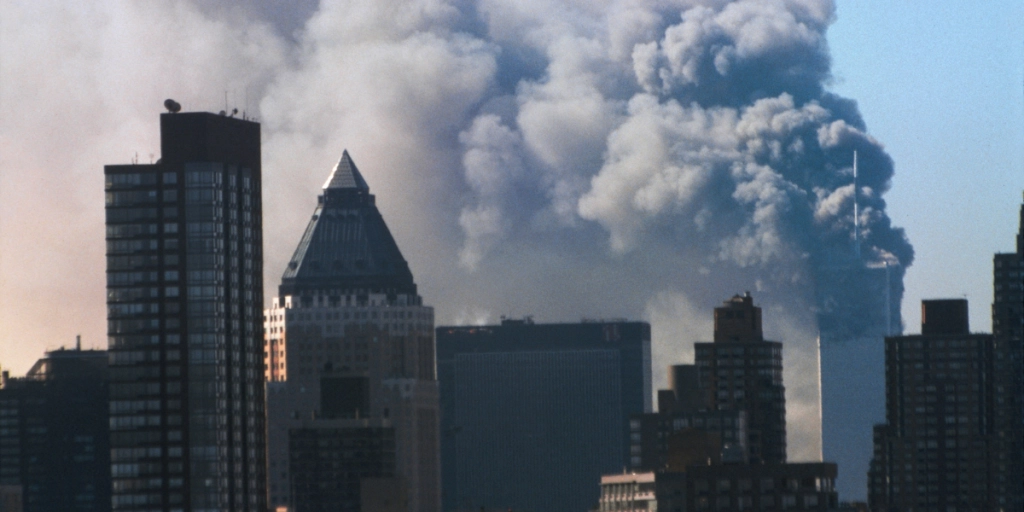
Every year, communities around the world pause to remember the tragedy of September 11.
Decades after the twin towers fell, the language used to describe that horrific morning remains a flashpoint for intense debate.
A recent internal memo from a major public broadcaster shows just how sensitive those words remain.
Do not call them “terrorist attacks”
The memo was first reported in a column in the Toronto Sun, written by Warren Kinsella.


In the column, he argues that by any “reasonable and objective standard” the 9/11 attacks were, in fact, a terrorist attack, citing the definition of terrorism in Encyclopedia Britannica.
He further writes that he received the, presumably confidential, memo earlier this week, and that it was addressed to the staff of the Canadian Broadcasting Corporation (CBC).
He then embedded his own X post with a screenshot of the specific paragraph of the memo. Article continues below.
Click to display external content from t.co,
- You can always enable and disable third-party content.

You agree to display external third-party content. Personal data may be sent to the provider of the content and other third-party services.
Words under fire
Canada’s national broadcaster is standing by instructions given to its newsroom staff. The guidance tells journalists not to refer directly to 9/11 as a terrorist attack without attributing the phrase to an outside source.
Instead, the network prefers descriptions like hijackings that caused plane crashes. This position immediately sparked outrage among politicians and public figures across North America.
According to Fox News Digital, New York City Councilwoman Vickie Paladino called the internal policy outrageous and insulting. “This is not merely a callous disregard for the memory of those who perished on 9/11,” Paladino said.
Defending the stance
The broadcaster insists the memo simply reinforces a decades-old policy on controversial terminology.
“It is the practice of the CBC to exercise extreme caution before using the words ‘terrorist’ and ‘terrorism,'” CBC Public Affairs Director Kerry Kelly said in a statement to Fox News Digital.
She explained that the guidance encourages staff to attribute such labels rather than state them as objective news facts.
Network executives argue that taking this neutral position protects their journalistic independence. Reporting on violent acts requires careful distance, according to CBC News editor-in-chief Brodie Fenlon.
Fenlon previously wrote that these terms carry heavy emotional and political weight. Because of that baggage, applying the label directly can interfere with clear reporting.
A wider debate
Critics remain completely unconvinced by the network’s explanation. Conservative MP Rachael Thomas voiced strong disapproval on social media, calling the editorial stance shameful.
“9/11 was an act of terrorism. Full stop,” Thomas said.
This is not the first time the Canadian outlet has faced backlash over its language rules. Similar internal memos surfaced after the October 7 attacks in Israel, where journalists received identical instructions regarding the word terrorist.
Official government agencies in both Canada and the United States explicitly classify Al-Qaeda as a terrorist group responsible for the 2001 atrocities. Yet, the media debate over neutral reporting versus moral clarity continues.



