
 Kathrine Frich

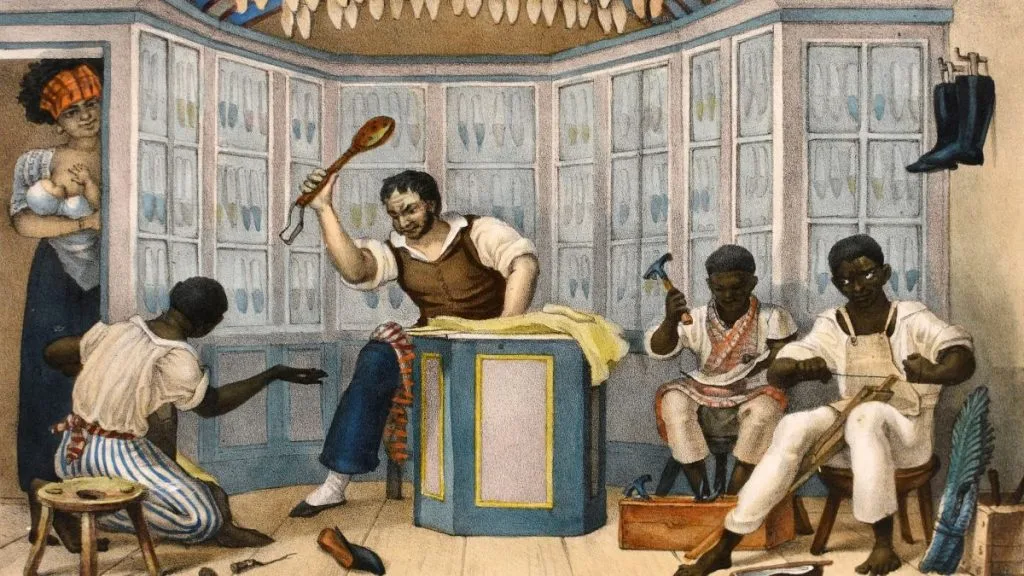
Original panels have been removed.


Historic parks and public landmarks often shape how people picture the past long before they open a textbook.
Yet displays at those sites can change when leaders disagree on what a place should say.
Changes at the memorial
According to the Associated Press, Avenging the Ancestors Coalition sued the Trump administration in Pennsylvania federal court on Monday over what it claims is a “whitewashed depiction” of slavery at the President’s House/Slavery Memorial in Philadelphia.
The suit names the Interior Department, Secretary Doug Burgum, the National Park Service, and Acting Director Jessica Bowron.


Original panels from 2010 told how nine enslaved people lived there with George and Martha Washington during the 1790s, when Philadelphia was briefly the capital, AP reported as cited by Irish Star.
After federal crews began removing those panels earlier this year, the lawsuit says new panels “dilute and de-emphasize” the original meaning.
AP reported that the earlier exhibit described hardships faced by the nine enslaved people, including physical and seggsual violence, which the suit says were watered down or cut.
The complaint adds, “Moreover, the original glass panels that were removed have not been replaced or restored, and the motion-activated videos remain turned off.”
Clashing views on history
Another plaintiff, The Black Journey: African American Walking Tour of Philadelphia, asks the court to restore the site and block enforcement of the orders behind the changes, according to AP.
Since President Donald Trump began his second term, his administration has targeted diversity, equity, and inclusion efforts.
Under a 2025 executive order, federal historic sites cannot display content to “disparage Americans past or living” and must focus on the “greatness of the achievements and progress of the American people,” AP reported.
In a summer statement quoted by AP, the Interior Department said the new “panels are full of historical context and highlight the momentous events that took place in the President’s House and the other sites at Independence National Historical Park.”
Officials added that they “acknowledge the evils of slavery, including its injustices and hypocrisies, and, by telling the stories of the nine slaves that Washington kept in the President’s House, remind us of their essential humanity.”



