
 Christine Drews Sieger
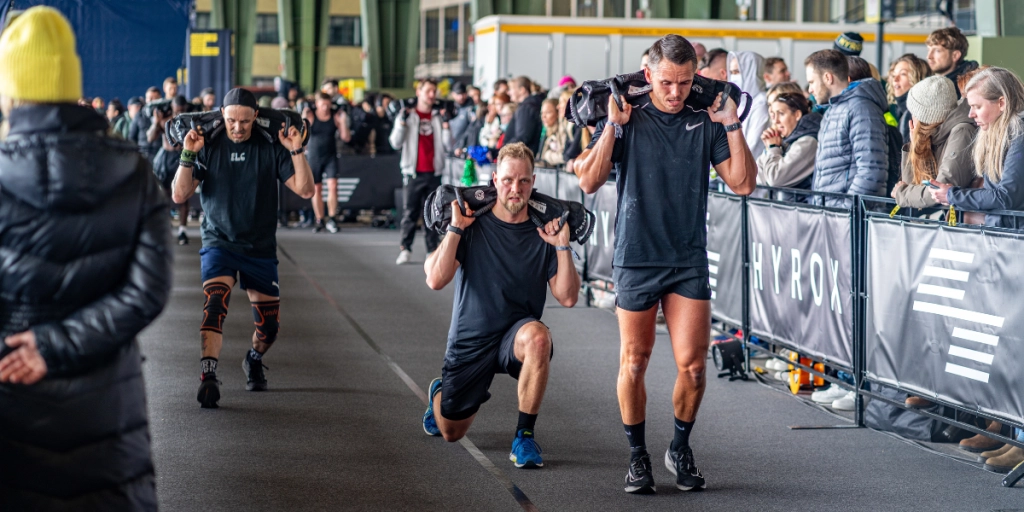
Footage of an athlete continuing a race despite severe incontinence has exposed the dark, toxic culture driving the $700m fitness phenomenon Hyrox.
In the world of extreme endurance sports, the relentless drive to win often pushes athletes straight to the absolute edge.
But when commercial pressures and personal ego take over, that boundary can disappear completely.
Shocking footage from a recent competition in Beijing showed Australian runner Joanna Wietrzyk continuing her race after suffering severe bowel incontinence.
The 24-year-old athlete kept going, handled shared equipment, and ultimately won the event.


According to the Daily Mail, video of the contaminated kit triggered massive backlash online over basic hygiene and race management.
Event organisers eventually disinfected the venue and issued an official apology on social media.
In the aftermath, brand co-founder Moritz Fürste took responsibility for the lapse. As quoted by the Daily Mail, he stated:
“Hyrox made a mistake by not reacting immediately during the race. In the end it is my job to foresee these potential incidents – and I did not.”
Athlete Withdraws Result
The controversy has since taken a new turn.
According to ABC News, Wietrzyk has apologised for continuing the race and said she regretted not stepping off the course after the incident.
She has also retroactively withdrawn from the Beijing competition and forfeited the points she earned.
The decision came after days of criticism surrounding the hygiene risks and the decision to allow her to continue, while HYROX has also moved to introduce new procedures for dealing with similar incidents in the future.
Dark side exposed
Yet the incident in Asia is far from the only scandal to rock the rapidly growing, $700 million fitness brand.
Critics argue that the sport has fostered an unhealthy culture where ambition borders on obsession, leading athletes to prioritize winning over their own dignity and health.
That obsession comes with a heavy price tag. Competing at this level requires substantial financial investment.
As reported by the BBC, cited by Daily Mail, participants often spend up to £1,000 per event on logistics and gear, with major global finals pushing costs well over £2,000.
Darker tragedies have also cast a long shadow over the sport, with two runners dying after collapsing at events in Bangkok and Lyon.
Local French media attributed the death in Lyon to “acute hyperthermia” as the race took place during extreme weather conditions.
Beyond safety concerns, the organisation faces internal revolt. Volunteers recently protested proposed cuts to their perks, while spectators complained that top athletes escaped penalties for rule breaks on live streams.



