
 Kenneth Glad
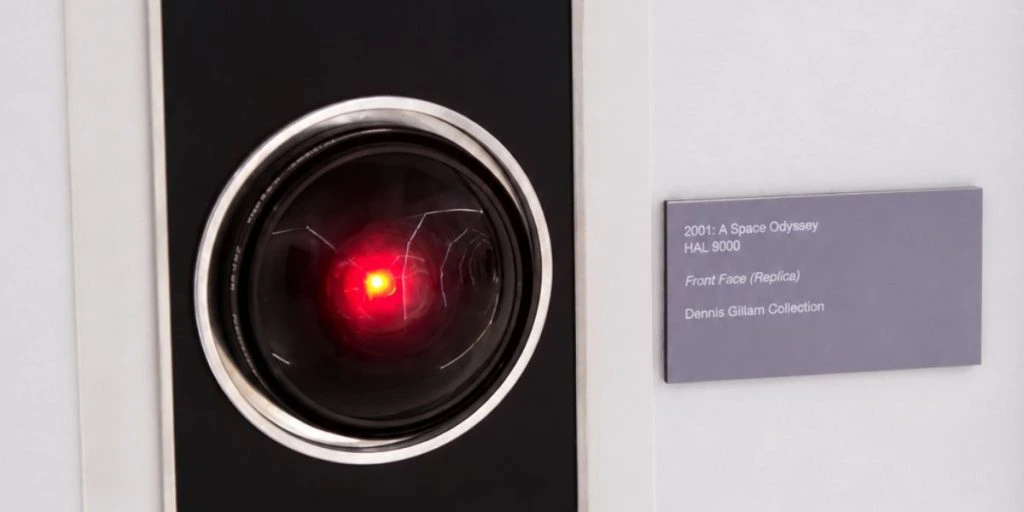
Smart software now makes decisions behind closed doors. From banking transactions to drug research, autonomous tools execute actions before anyone can double-check the work. Without proper guardrails, that freedom can trigger chaos.


Companies are giving artificial intelligence real authority far faster than most people realize. A new report from SAS shows that 89 percent of AI agents in production already execute tasks rather than just offer advice. More than half of those tools operate with little to no human oversight.
That rapid shift changes what happens when a program makes a mistake. Trust reflects the anxiety. While 76 percent of surveyed workers trust generative AI, that figure drops to 66 percent for autonomous software. Marinela Profi, a strategy lead at SAS, explained the growing danger to AI News.
“With autonomous AI, the blast radius changes,” Profi warned. “An error is no longer necessarily a bad answer on someone’s screen. An agent could trigger a workflow, interact with another system, make a decision, or execute an action before a human ever sees it.”
She added that “autonomy changes failure from something you observe into something the system can propagate.” Unchecked software can turn a tiny technical glitch into a company-wide disaster within seconds.


Guardrails boost speed
Many executives worry that governance rules will slow down innovation. However, research suggests that proper boundaries actually help businesses move faster and make more money. Organizations with trustworthy systems are 15 times more likely to report strong financial returns, according to SAS.
Profi pointed out that safety controls function like brakes on a vehicle. “Brakes don’t exist to make cars slow,” she said. “They help make speed safe.”
Infrastructure gaps make early testing misleading. Only 17.5 percent of organizations possess the data framework needed to support autonomous AI. Researchers at one biopharmaceutical firm lost roughly four-fifths of their working hours locating and organizing data before analytical work could even start.
To prevent catastrophic failures, experts urge leaders to keep humans supervising backend workflows. Automated tools can handle routine tasks, but people must stay in charge of final outcomes.
As Profi put it, “We can delegate execution to AI. We should never delegate accountability to it.”
Sources: AI News, SAS



